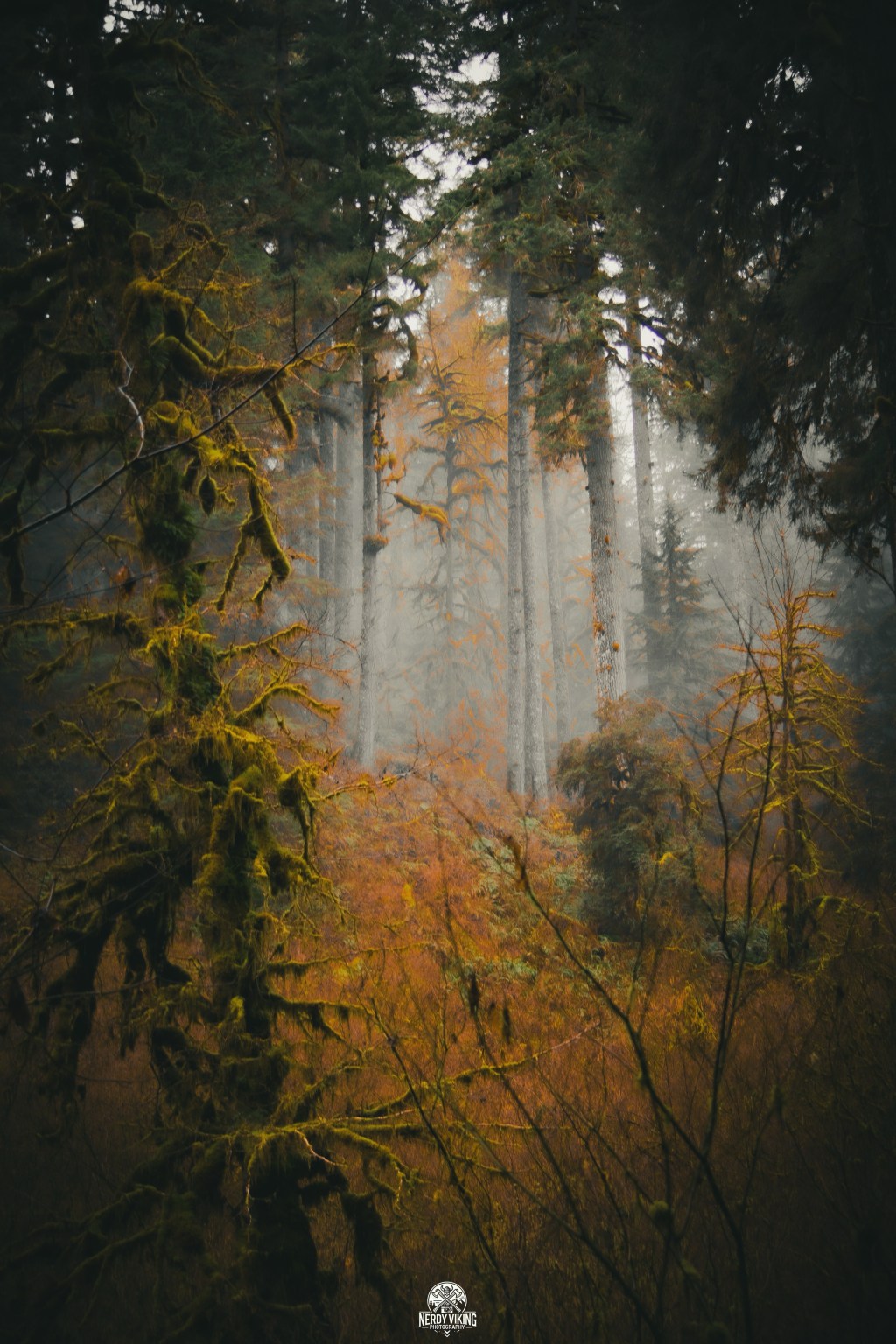
Being a True and Accurate Account of Two Photographers, One Questionable Decision, and a Forest That Had Opinions About Both
March in Oregon doesn’t arrive the way the brochures promise.
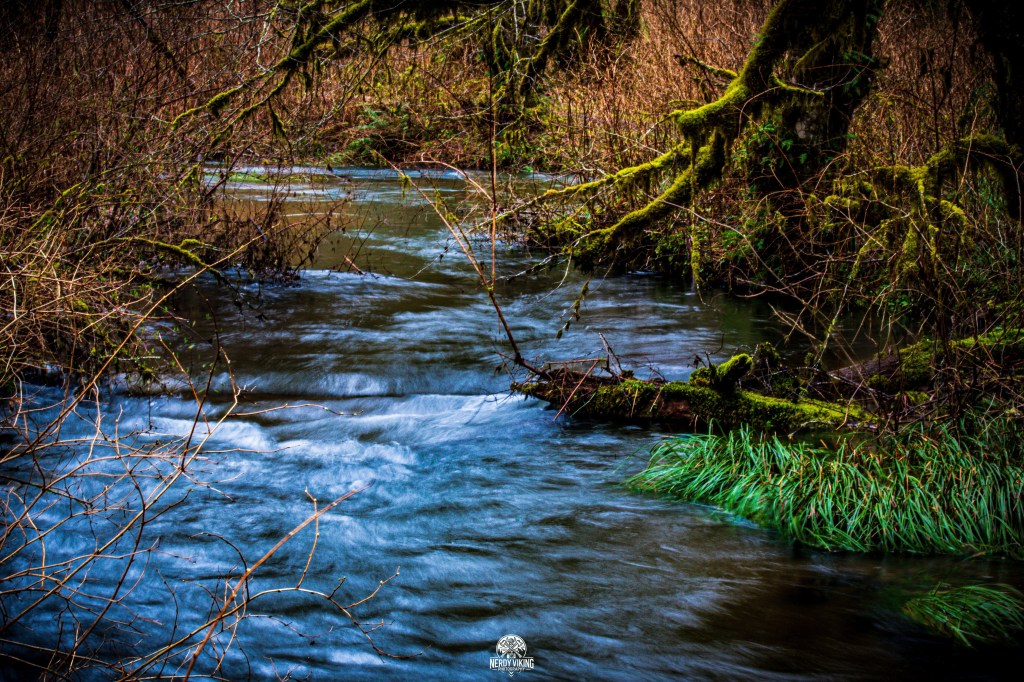
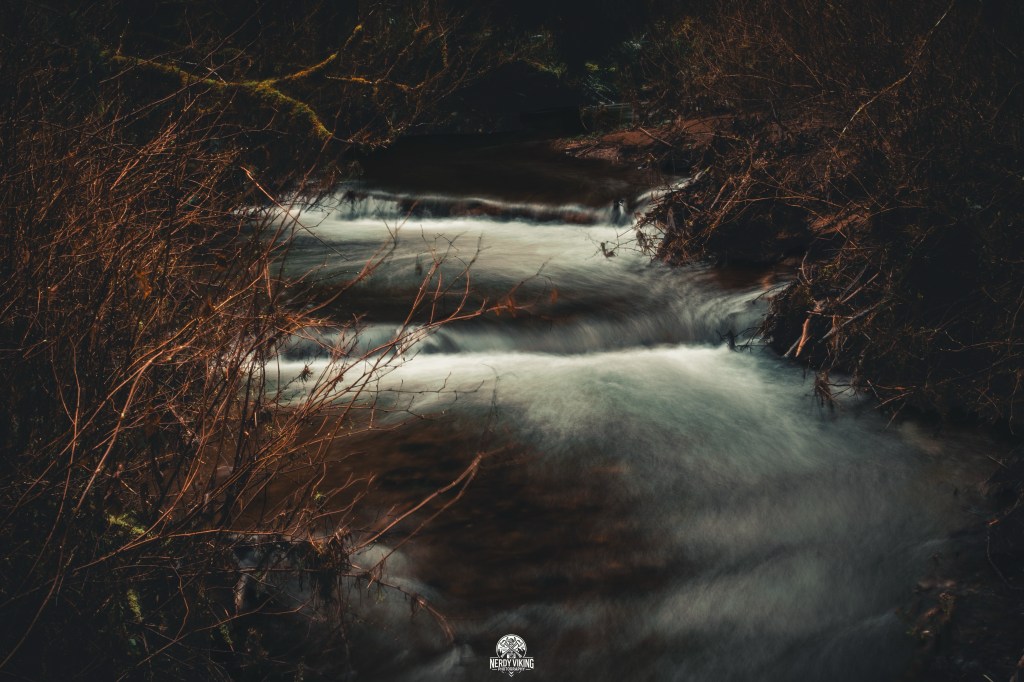
There are no brochures honest enough for what March actually does in this state. It doesn’t come in gently with soft light and cooperative blossoms and the dignified suggestion of spring. No. March in Oregon comes crawling out of the tree line like a damp and premeditated conspiracy — wet, green, vaguely threatening, and completely indifferent to your plans. The forests sweat. The moss achieves a shade of green so radioactive it looks like a warning. The rivers run swollen and furious from months of accumulated winter rage. And somewhere deep in that dripping, primordial wilderness sits Silver Falls State Park — quiet, ancient, patient — waiting for people foolish enough to wander into its less-visited corners.
Most people go there for the waterfalls.
That was not our plan.
We aimed deliberately for the other side of the park. The forgotten side. The old forest where the crowds thin out and the trees start looking at you with the mild suspicion of organisms that have been standing in the same location for over a century and have developed opinions about visitors.
And before we set foot on a single inch of trail — before the first boot touched the first patch of moss — we made a decision that would either profoundly enhance the photographic experience or transform it into a full-scale wilderness hallucination from which we might not return with our understanding of reality fully intact.
Gummies.
Not the reckless variety. Not the “light something and aim yourself at the wilderness and see what the universe decides” approach. This was the civilized, measured, thoroughly rationalized frontier version of adventure — a couple of suspiciously delicious cannabis gummies consumed like ordinary trail snacks in the parking lot before stepping into the cathedral.
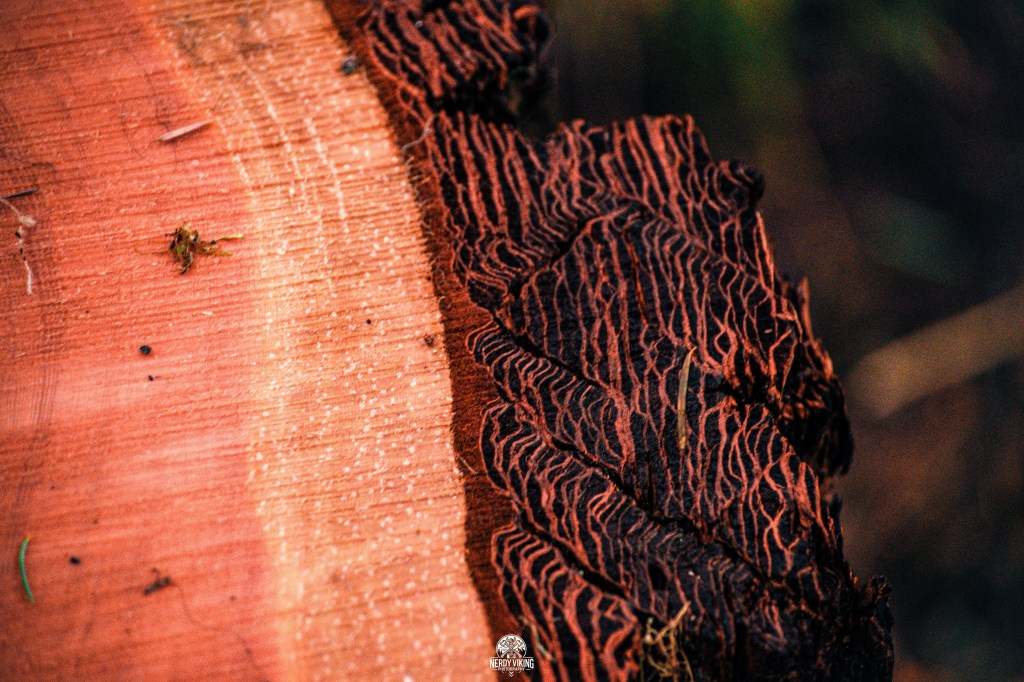
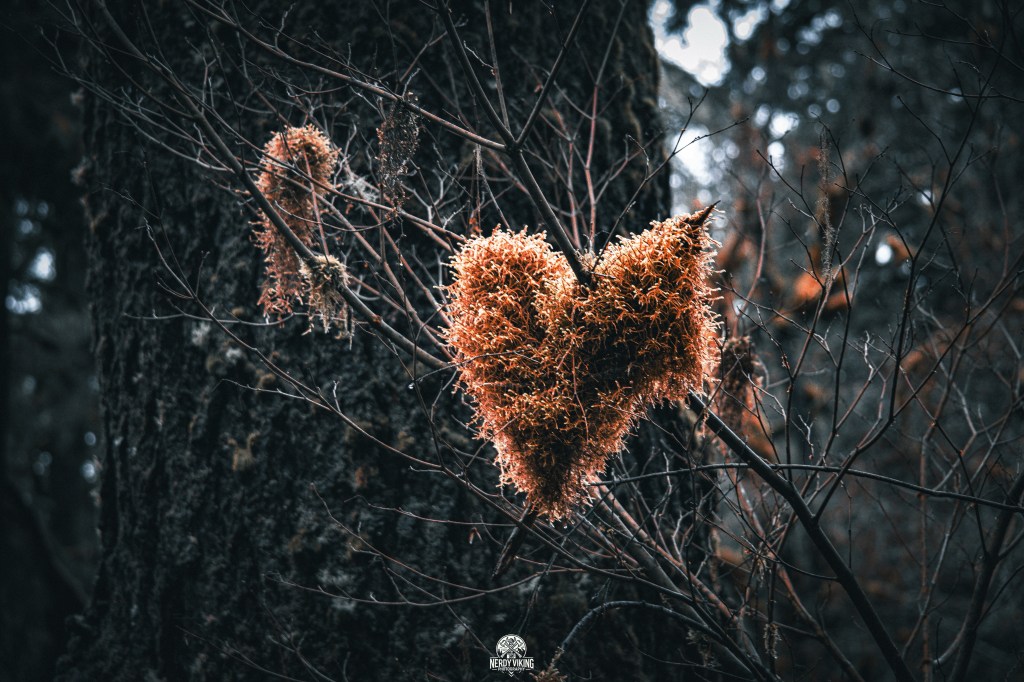
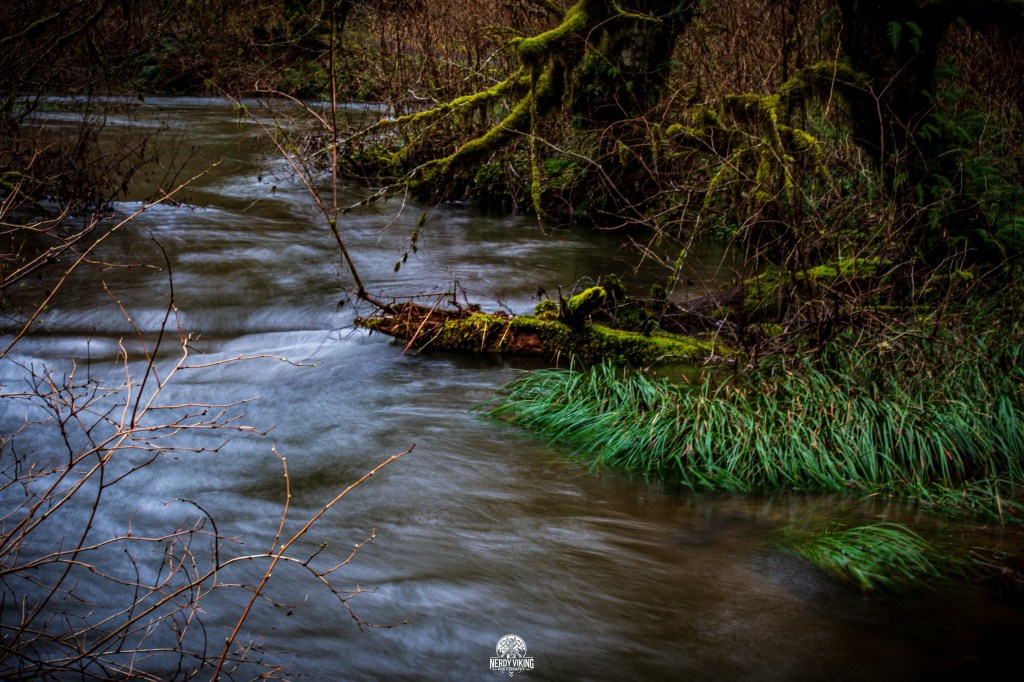
The logic seemed airtight at the time.
Cameras packed. Tripods strapped down with military precision. Lenses cleaned to a standard that would satisfy a surgeon. The gummies were small. The dosage was reasonable. We were adults with equipment and intention and a trail map that we fully intended to consult.
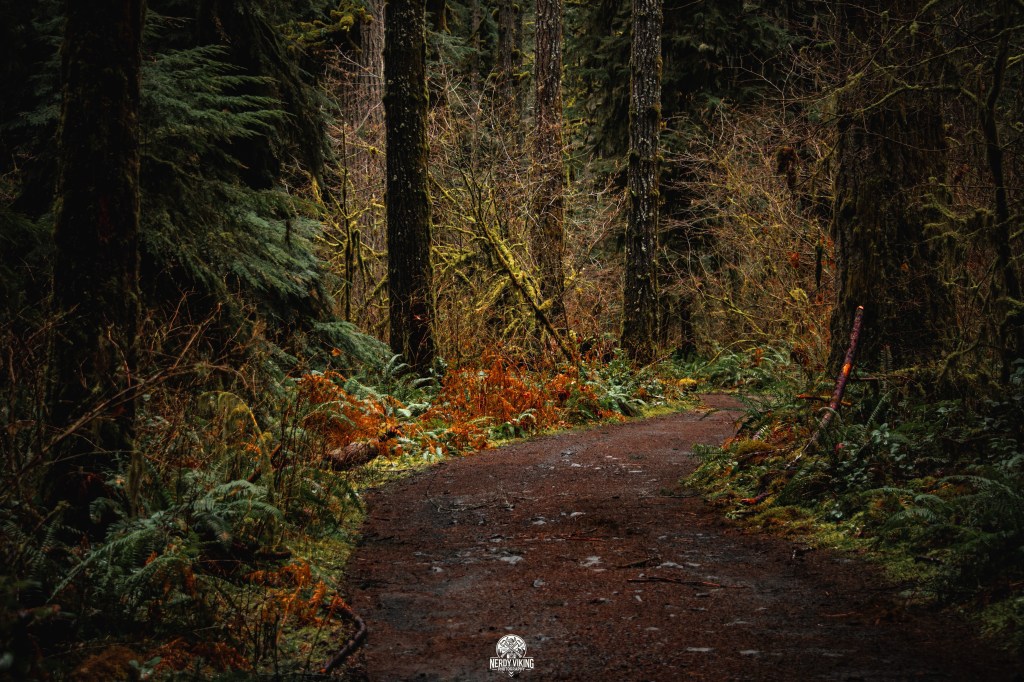
We set off down the Howard Creek Trail with the absolute confidence of two men who had no meaningful information about what the next several hours were going to do to their respective perceptions of reality.
The forest didn’t wait for the gummies.
It came for us immediately through a different mechanism entirely.
Not visually — not yet.
The smell.
Rain-soaked cedar detonating quietly in the sinuses. Cold earth and rotting wood and moss so thick it could absorb sound and probably small mammals. The specific olfactory combination that reminds your nervous system — whether you want reminding or not — that civilization is a thin and fragile construction balanced on top of an ecosystem that could dismantle the entire project in approximately one week if humanity stopped maintaining the parking lots.
The gummies hadn’t even begun their approach yet and something was already happening to the quality of attention.
Focus arrived.
Sharp, obsessive, slightly alarming focus.
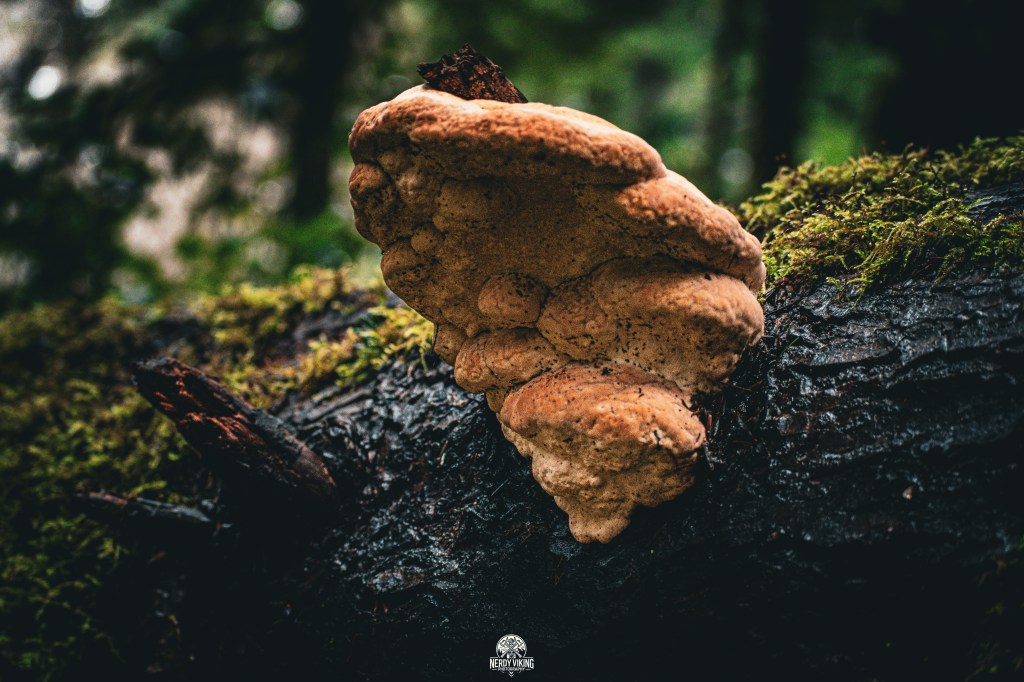
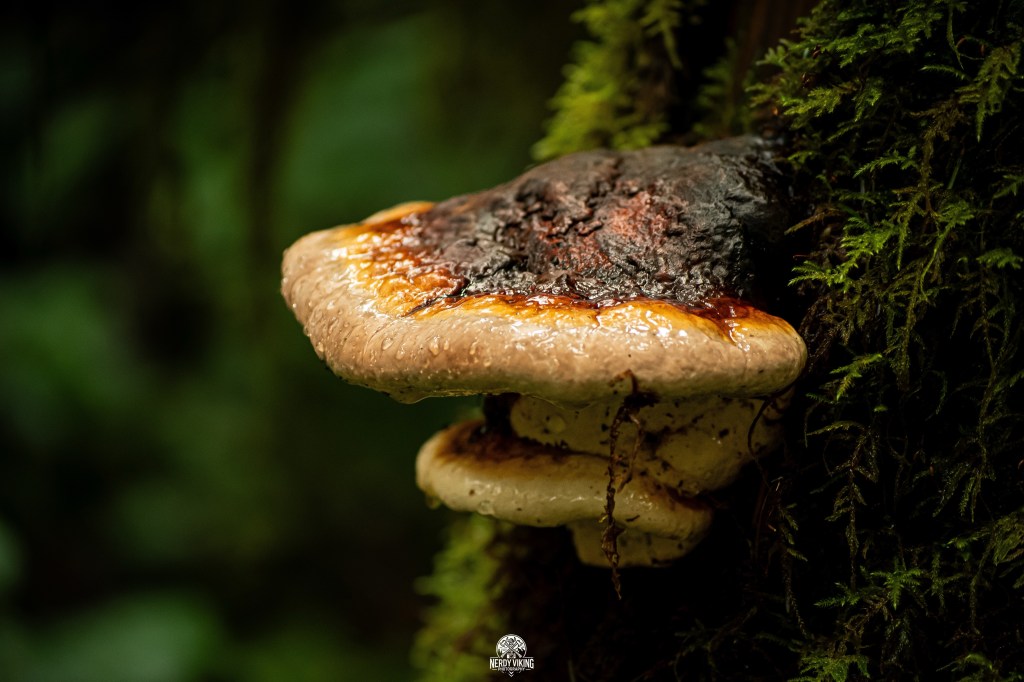
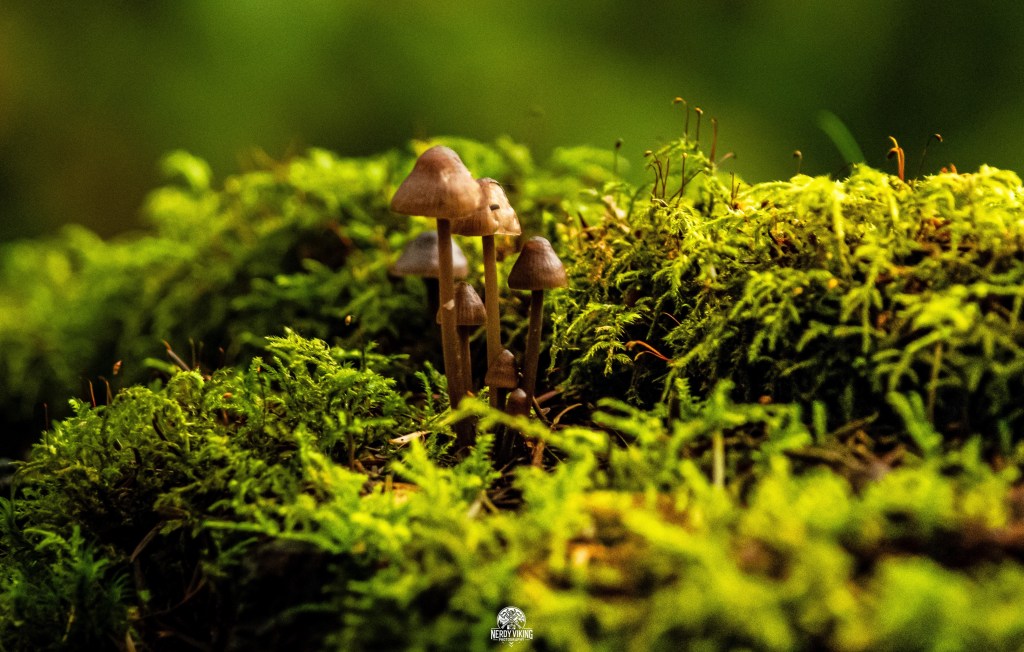
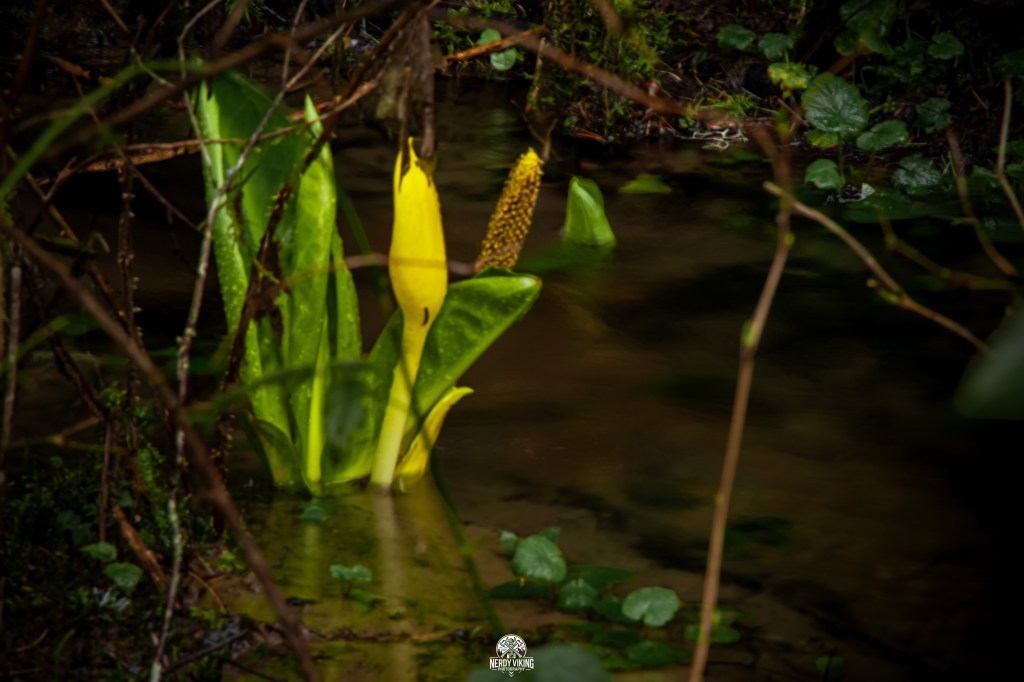
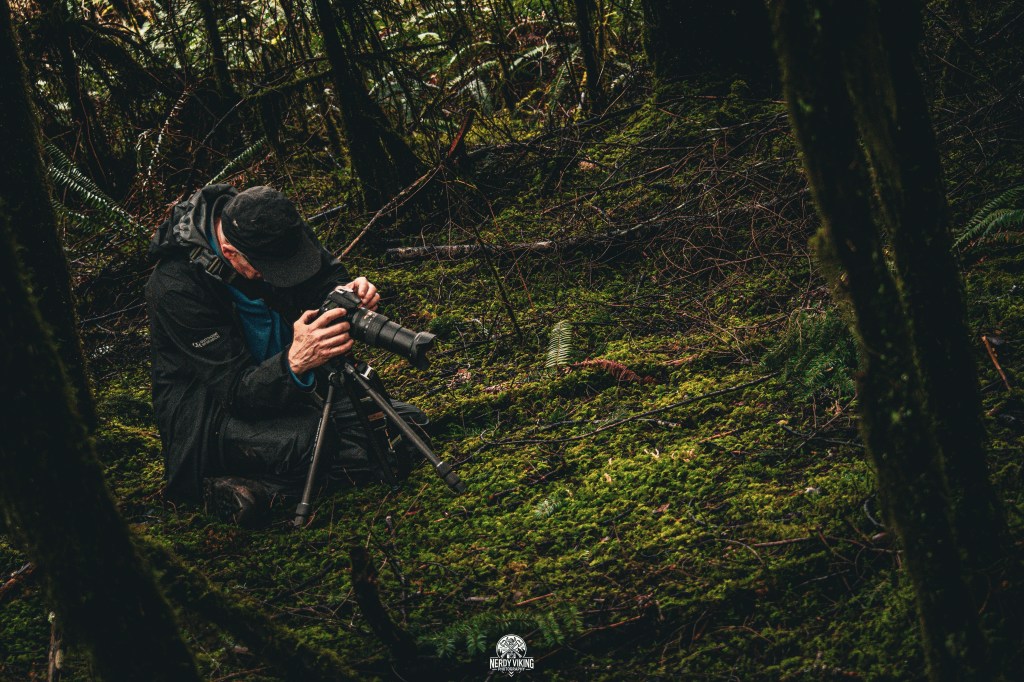
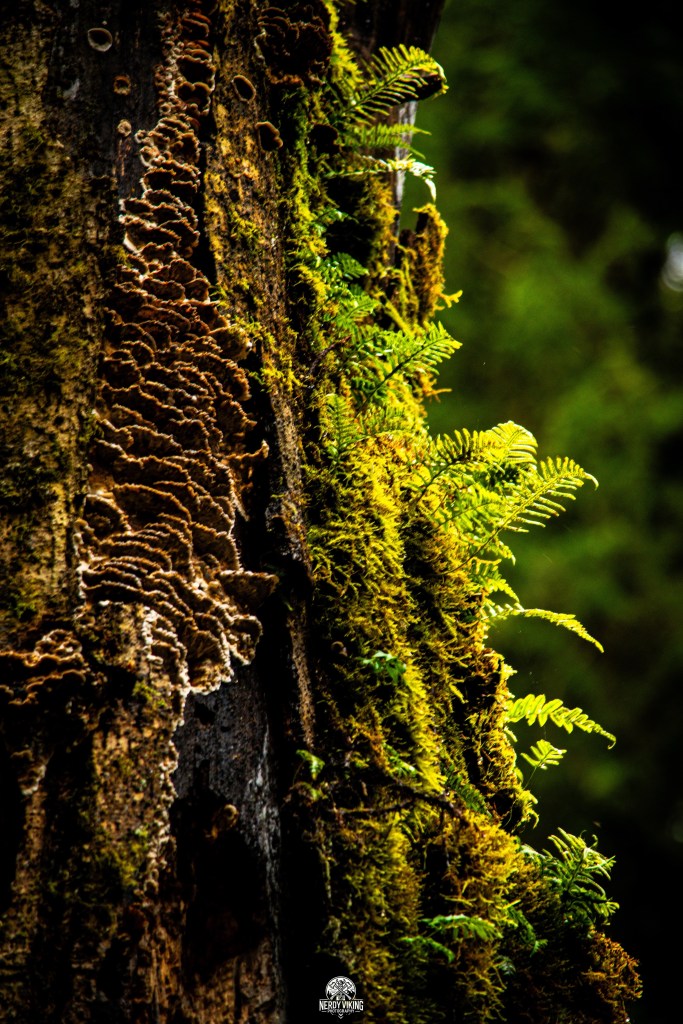
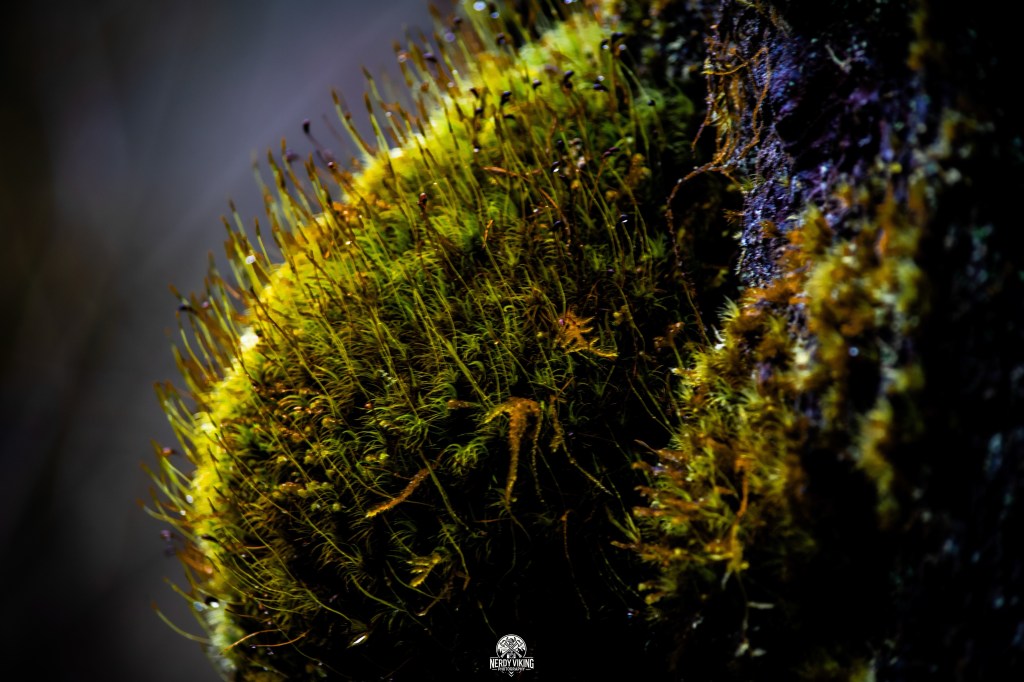
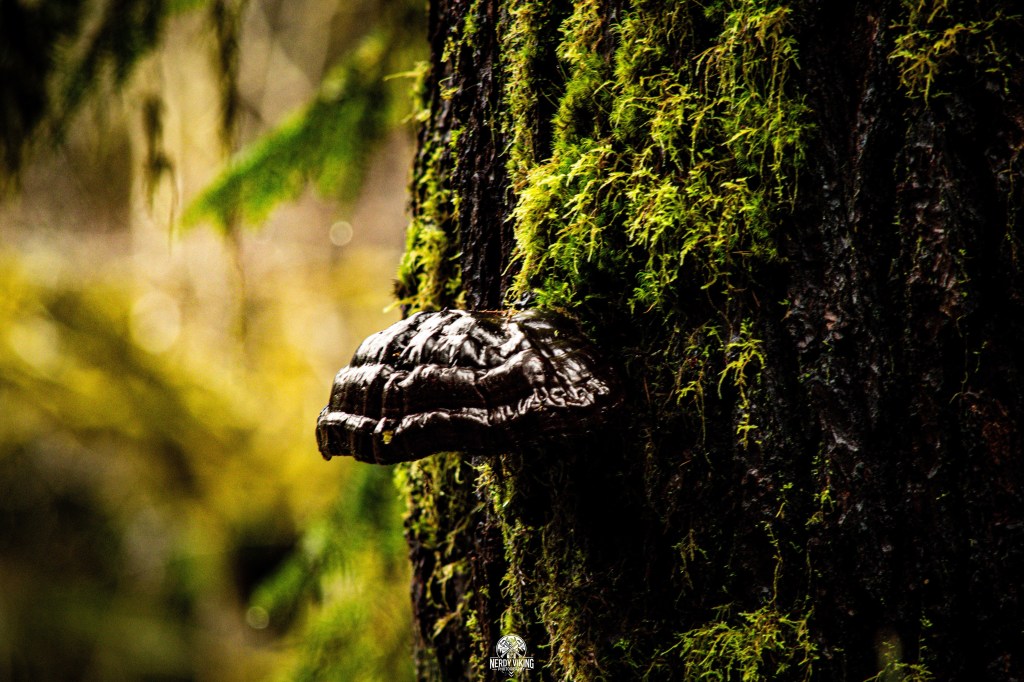
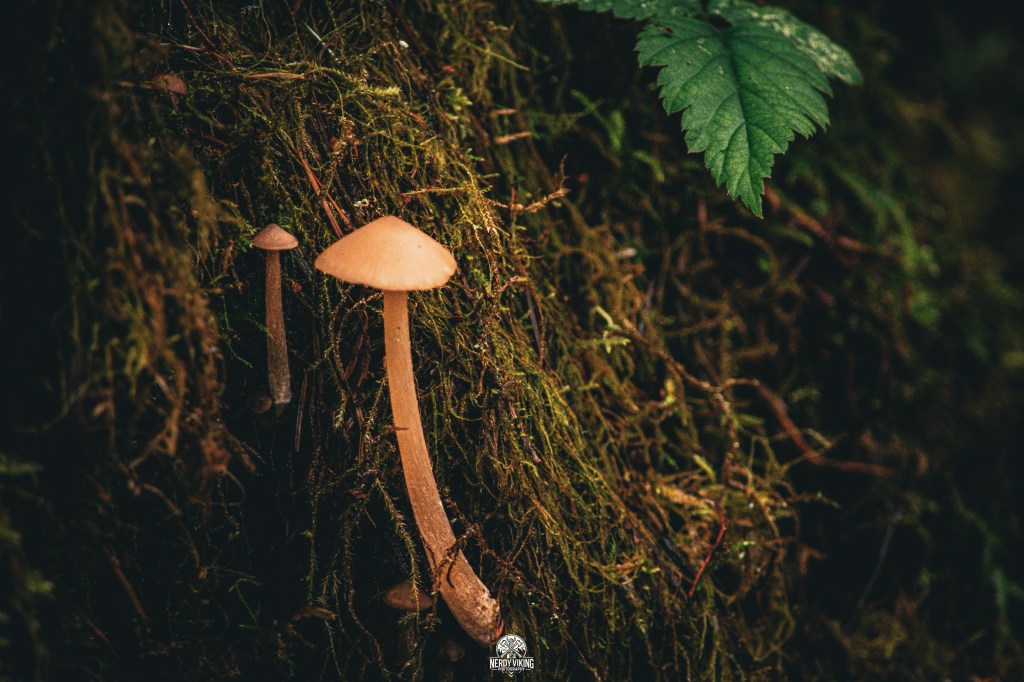
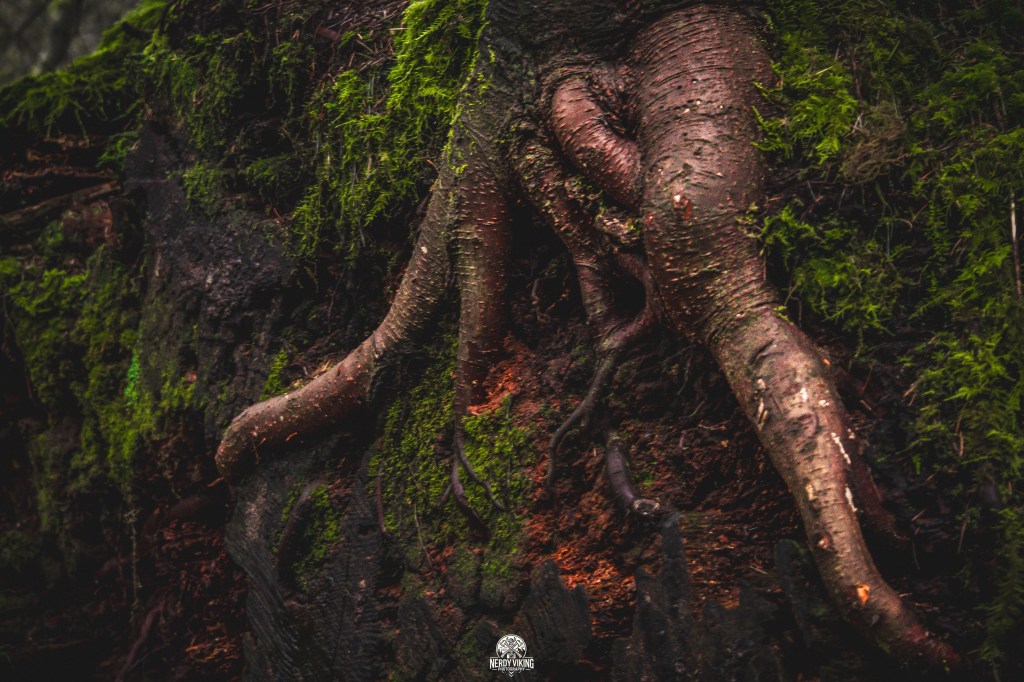
Tripods deployed like surgical instruments into the undergrowth. Every mushroom cluster became a philosophical proposition requiring extended examination and multiple exposures. Every patch of moss demanded portraiture. Robert crouched over a congregation of fungi with the intensity of a scientist who believes he is witnessing the emergence of a new species and does not want to miss the decisive moment.
The forest, for its part, seemed to approve of the attention.
There is a particular quality of quiet available only in the parts of state parks that don’t appear in anybody’s Instagram feed.
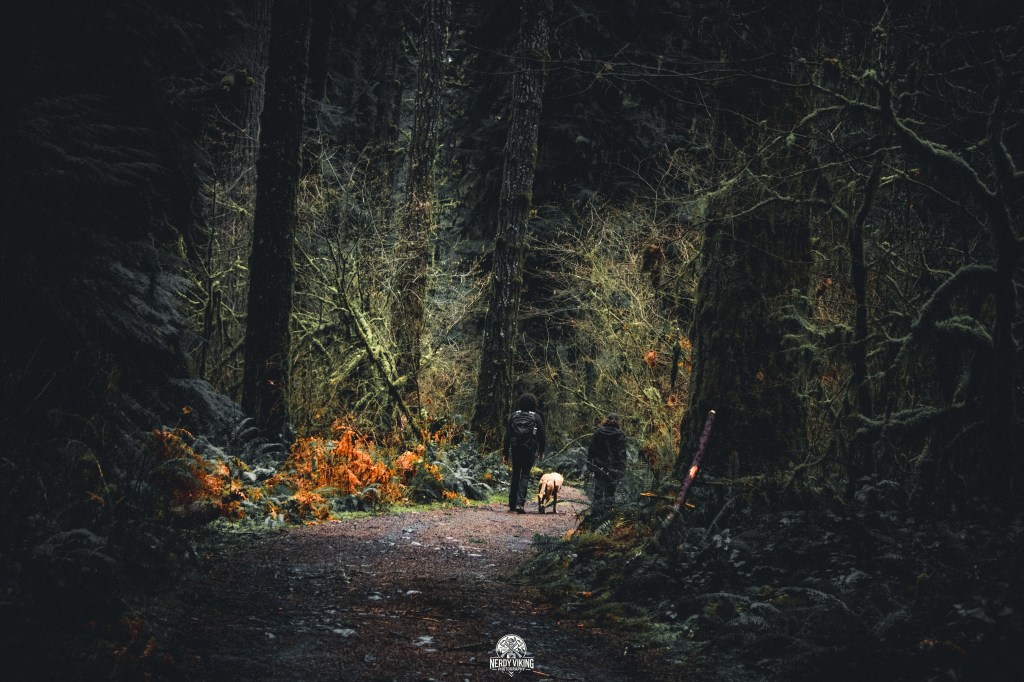
No waterfall thunder. No tourist commentary drifting through the trees. Just old growth standing at full height — trees that had been conducting their slow, dignified business for a century or more — watching two humans with expensive camera equipment wander through their territory like the confused and temporary creatures humans fundamentally are.
Somewhere in the first mile we became aware that something had gone mildly wrong with our navigation.
Not catastrophically wrong. Nothing that required emergency services or the activation of any distress beacon.
Just — wrong enough.
We had somehow executed a complete loop and returned to the precise trailhead from which we had departed, having covered meaningful ground in a large and ultimately circular direction.
Which suggested one of two explanations:
One — we had misread the trail map with the casual incompetence of men who had recently consumed cannabis in a parking lot.
Two — the forest had quietly rearranged its own geography while we were occupied with mushroom photography.
The GPS, displaying the loyalty of a good instrument, suggested option one.
We corrected course and went back in.
By the second mile the gummies filed their formal arrival paperwork.
These things never announce themselves directly. That’s the operational signature — the creep. The slow infiltration of the perceptual apparatus until you realize the world has been subtly renovated around you without your explicit consent.
Your legs discover they weigh considerably less than previously understood. Time stretches out like warm taffy being pulled by someone with infinite patience and no particular destination. The forest stops functioning as scenery — as the attractive backdrop to a recreational activity — and becomes something else entirely. Something that has interiority. Something that is aware of you in the way that large, ancient, non-moving things are sometimes aware of smaller things moving through them.
The colors executed a full reorganization.
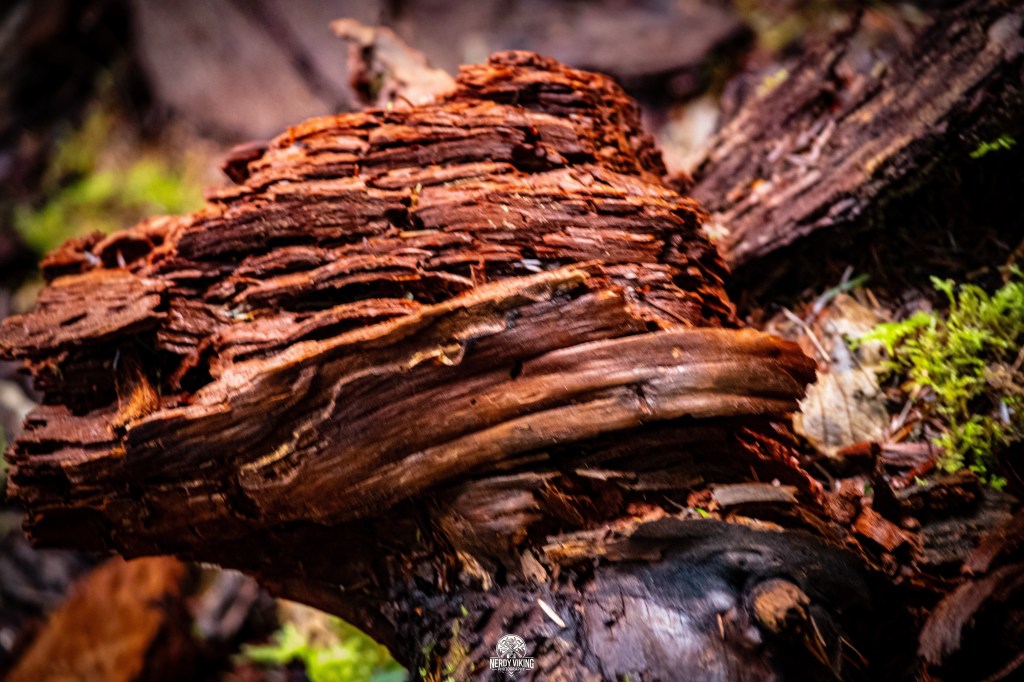
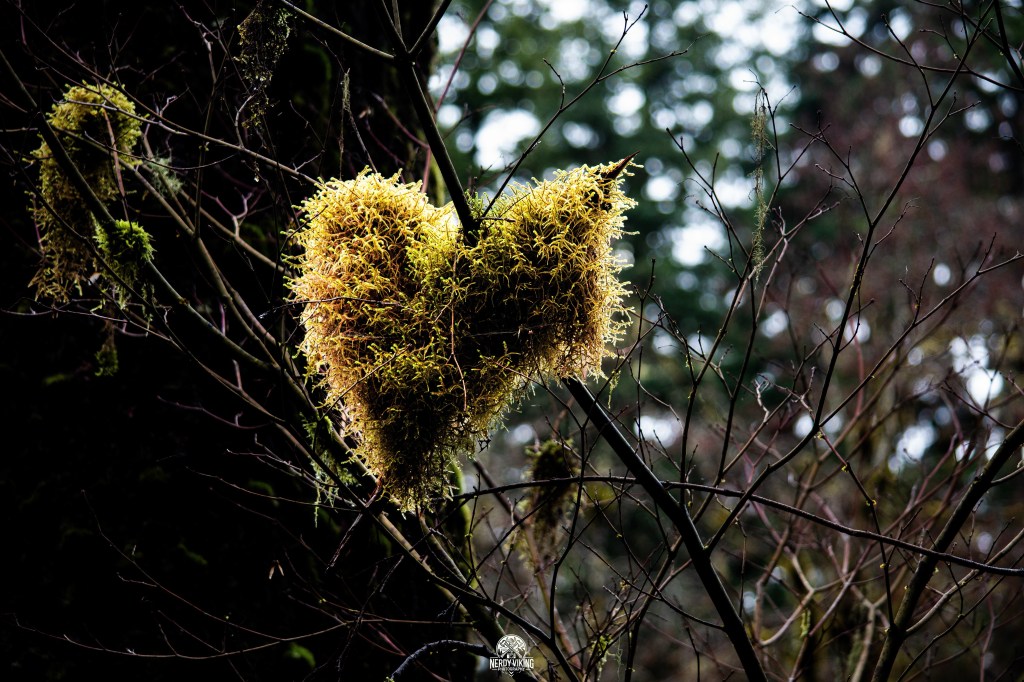
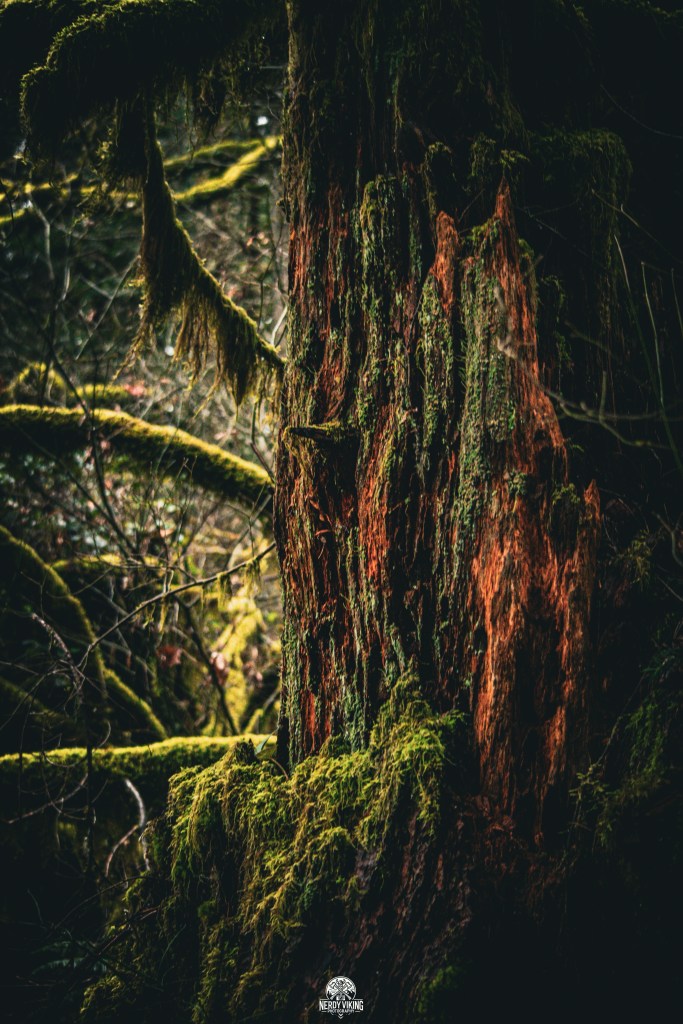
Greens that had no right to exist at that saturation level. Moss that appeared to generate its own light from some internal biological source. The bark of Douglas firs rendered in a detail so granular and specific it looked like the surface of another planet photographed from close range.
I caught myself standing completely motionless at one point — tripod in hand, no particular photograph in progress — staring into the middle distance of the forest like a man receiving a transmission he hadn’t requested and couldn’t quite decode.
Just breathing.
The air tasted like rain and pine resin and soil that had been accumulating its particular chemical identity since before anyone alive had been born. The kind of smell that predates language and communicates directly with whatever part of the brain existed before words were invented.
Photography ceased to be a hobby and revealed its true nature as a compulsion.
Tripods locked into position with the seriousness of artillery placement. Long exposures negotiated with the available light. Angles discovered by crawling around on the forest floor in positions that would require explanation to any passing hiker who happened upon the scene.
At some undetermined point in the proceedings we drifted off the main trail.
Not through any conscious decision-making process.
We simply noticed another path. Narrower. Less maintained. Worn down in the particular way that suggests regular use by something — but not by hikers with trail maps and camera bags.
We followed it with the curiosity of men whose judgment was operating at a slightly reduced capacity.
Then the signs arrived.
Tracks pressed into the soft earth with the casual authority of something that didn’t need to worry about what else was in the forest.
Claw marks on bark at a height that required no advanced mathematics to interpret.
The wilderness communicating in its oldest and most direct language:
Bear.
Under normal operating conditions — with full neurological resources deployed and conventional risk assessment protocols running at standard efficiency — a person might pause here and conduct a calm rational evaluation of the situation and available options.
Under gummy-influenced forest philosophy, operating somewhere in the neighborhood of mile two with the perceptual enhancement fully engaged, the conclusion arrived with unusual speed and surprising clarity:
We were not equipped for bear negotiations.
We did not have the training, the temperament, or frankly the chemical composition for that particular wilderness conversation.
We turned around with a dignity that the situation did not technically require but that we provided anyway.
The remainder of the hike descended into something slower and considerably quieter.
The forest stopped being a location and became a condition.
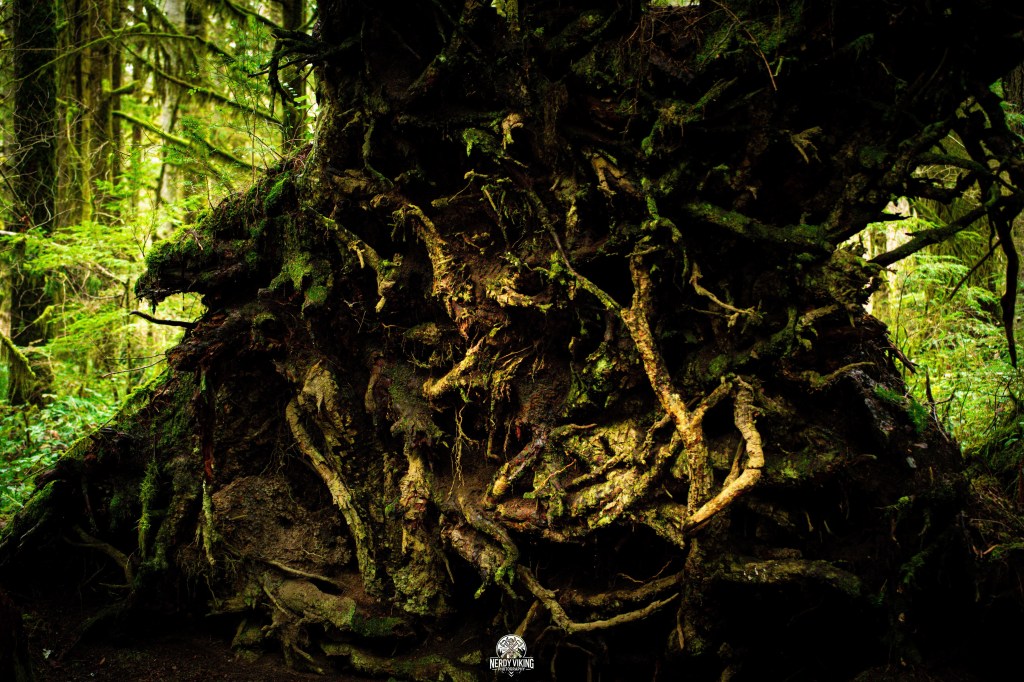
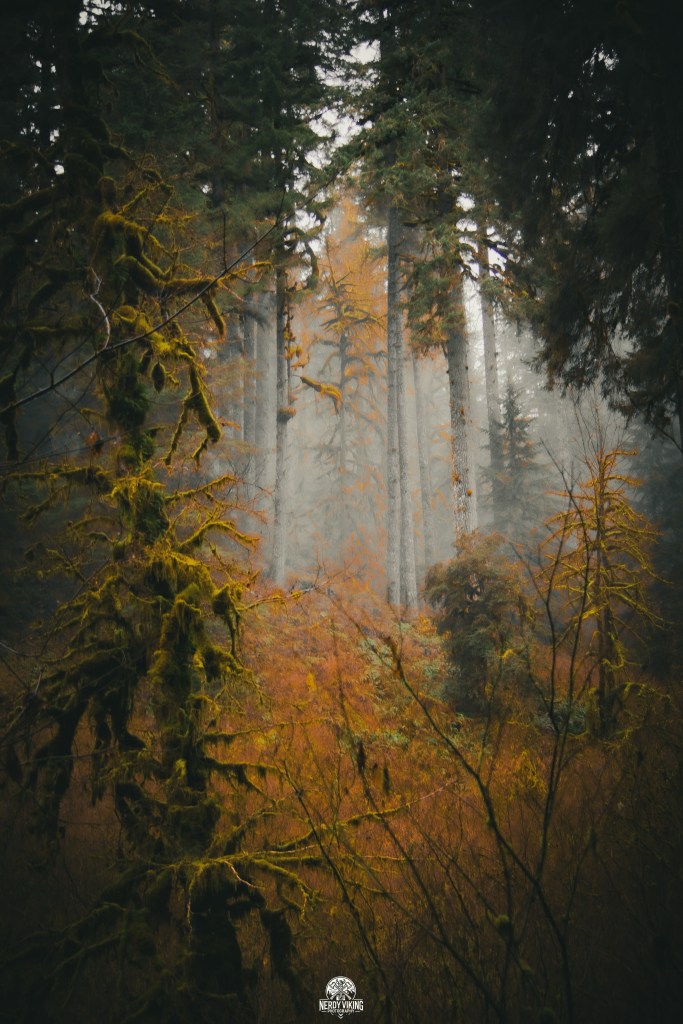
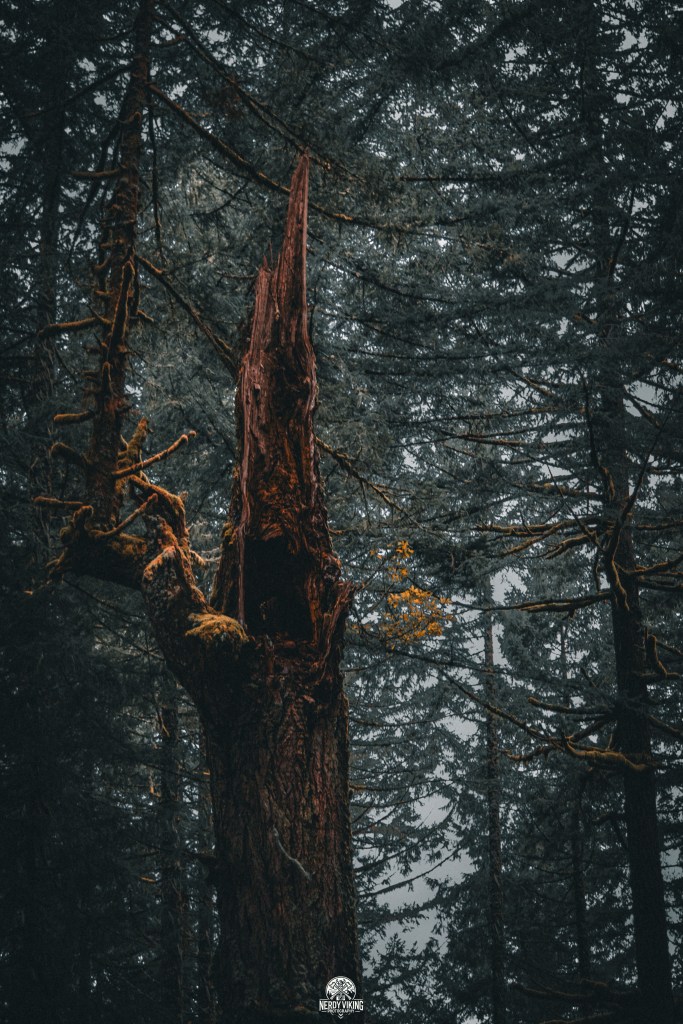
Trees over a century old standing like witnesses to something longer and stranger than any individual human timeline. You start doing the math involuntarily — the specific calculations available only in old growth, when you’re standing next to something that was already substantial when your grandparents were young.
What did these trees observe?
Fires that came through and receded. Storms that arrived with serious intentions and eventually spent themselves. Generations of humans wandering the same ground in different boots with different equipment and the same fundamental confusion about what they were looking for. The occasional pair of photographers high on gummies crawling around on the forest floor debating shutter speeds with the intensity of men solving problems that actually mattered.
The forest registered none of it as particularly significant.
It just kept growing.
That’s the thing about old trees — they have a perspective on the situation that makes human urgency look like a very small and temporary weather event.
Eventually the trail returned us to the trailhead.
Back to the truck. Back to the parking lot. Back to the civilized dimension where gravity operates predictably and moss is just moss and the colors have agreed to return to their normal saturation levels.
That night we reviewed the photographs with the critical distance of men no longer operating under forest pharmaceutical conditions.
And the question presented itself immediately and without mercy:
Were these photographs actually good?
Or were they the documented evidence of two mildly altered photographers who became briefly convinced they had located the secret frequency of forest photography and captured it on sensor?
The jury remains in deliberation.
But here is what survived the review with certainty intact:
Silver Falls showed us the version of itself that doesn’t appear in the brochures or the Instagram feeds or the state park promotional materials. No thundering waterfalls performing for audiences. No crowds moving along well-maintained loops with interpretive signage explaining what they’re looking at.
Just old trees standing in their century-long silence.
Strange trails used by things that live there permanently.
A forest that watches you wander through its darker corridors — slightly confused, considerably amazed, and entertaining for the first time the serious possibility that the mushrooms you’ve been photographing for the last three hours might have been watching back the entire time.
And if that possibility unsettles you —
You probably took the wrong trail.


 Nerdy Viking Photography
Leave a comment