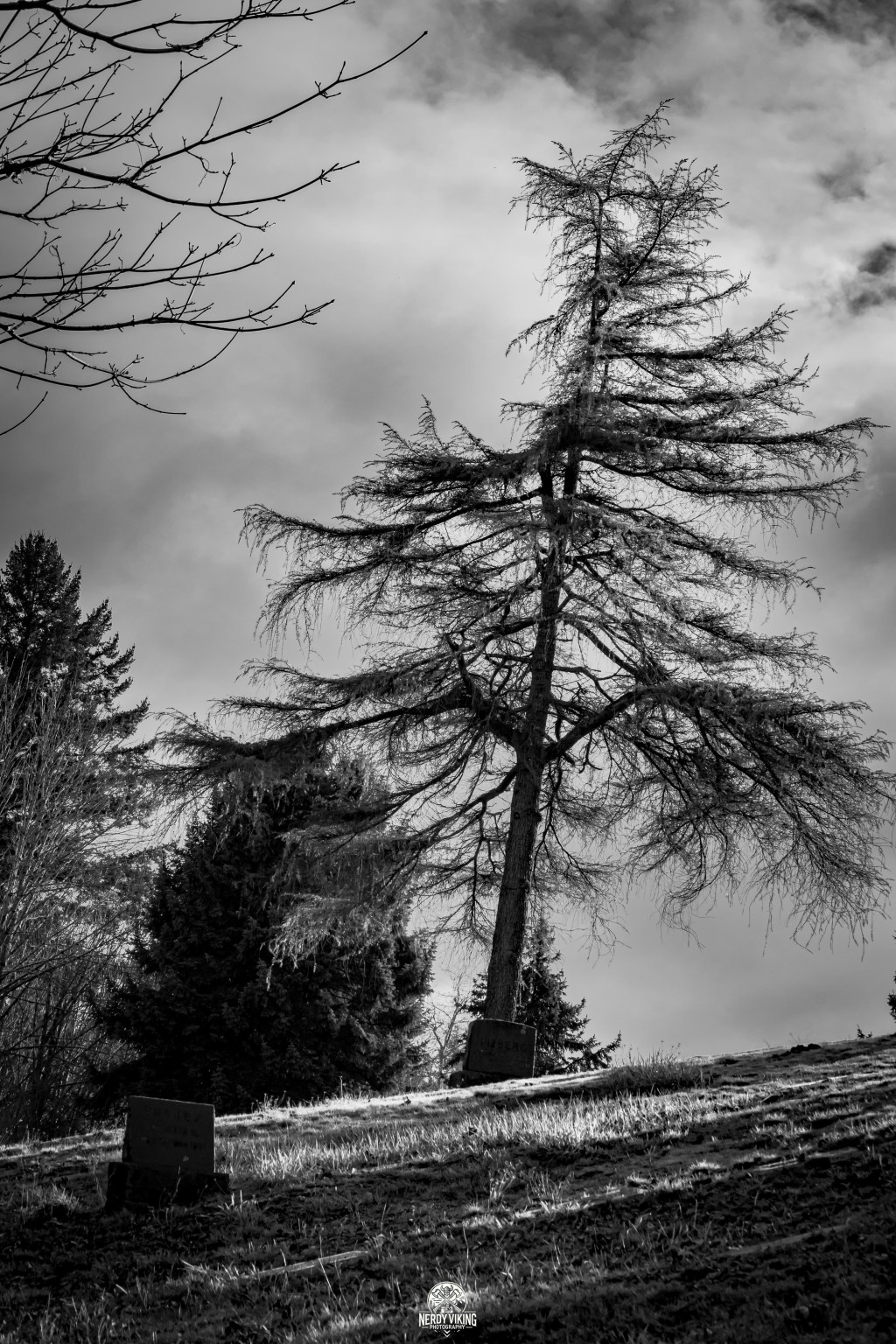
Sauvie Island — Attempt Number Two.
The first run was a meteorological ambush. The sky cracked open, the wind turned hostile, and we were forced to pivot like disgraced generals retreating from a battlefield we never meant to lose. Oregon weather doesn’t negotiate. It issues ultimatums.
But Sauvie has been circling the calendar like unfinished business.
That island is older than our inconveniences. Long before it was pumpkin patches and seasonal traffic jams, it was Wapato Island — named for the wild tuber that once grew thick in its wetlands. The Multnomah people lived there long before Lewis and Clark scribbled it into their journals like they’d discovered something new. Later it became farmland, military outposts, dairy operations — layer after layer of ambition pressed into soil that never asked for it.
It’s a strange hybrid now. Part refuge, part agriculture, part weekend escape for the city crowd pretending they’re rugged for an afternoon. Bald eagles share airspace with tractors. Migratory birds rest in wetlands bordered by fences and “No Trespassing” signs. It’s a tension zone — nature and utility in a long-term marriage neither fully trusts.
Which makes it perfect.
March is a gamble month. The mud is still thick. The light is uncertain. The trees are skeletal but starting to twitch with early rebellion. It’s the in-between season — not winter, not spring. Just tension in the air and cold water moving through channels like it has somewhere important to be.
Last time we tried, the storm won.
This time we go prepared.
Sauvie isn’t dramatic like the coast. It doesn’t roar like waterfalls. It’s subtle. It’s wide fields under heavy sky. It’s long dikes and quiet wetlands where the wind carries the sound of wings lifting off water. It’s the kind of place where patience pays off — where you wait long enough and something moves through the frame that feels prehistoric.
There’s history under every boot print. Indigenous trade routes. 19th-century settlers trying to bend floodplain to their will. Military installations that came and went. Floods that reminded everyone who actually owns the land.
And here we come with cameras and coffee, pretending we’re not just the latest temporary visitors.
That’s the beauty of it.
No matter how many times we pivot, reroute, reschedule — the island remains. The river keeps circling it. The birds keep arriving. The soil keeps doing what soil has always done.
March 13th feels less like a trip and more like a rematch.
Weather permitting — and that’s always the disclaimer in Oregon — we’ll walk those dikes, scan the skies, hunt for reflections in flooded fields. Maybe wildlife. Maybe empty barns. Maybe just a single frame where the sky splits open and reminds us why we keep trying.
Attempt number two.
Sometimes that’s where the good stories start.


 Nerdy Viking Photography
Leave a comment