I arrived at The Grotto feeling like a tourist in enemy territory—an undercover pagan with a camera, wandering into a cathedral carved out of moss and stone, half expecting someone to stop me at the gate and demand a confession. Instead, nobody cared. The place just existed. Quiet. Patient. Waiting.
And that’s when the weirdness set in.
Because once you strip away the sermons, the politics, the shouting, the centuries of human chaos stapled onto religion like cheap decorations… what you’re left with is architecture and silence. Stone and trees. Sculptures frozen mid-prayer like actors who forgot their lines sometime in 1863 and never recovered.
It’s impossible to ignore the craftsmanship. The sheer stubborn effort of it all. Somebody hauled rock up hills, carved saints out of marble, bent iron into bells, and planted gardens with the long-term confidence of people who believed they were building something meant to outlive them. That kind of optimism borders on madness—and I respect madness when it’s honest.
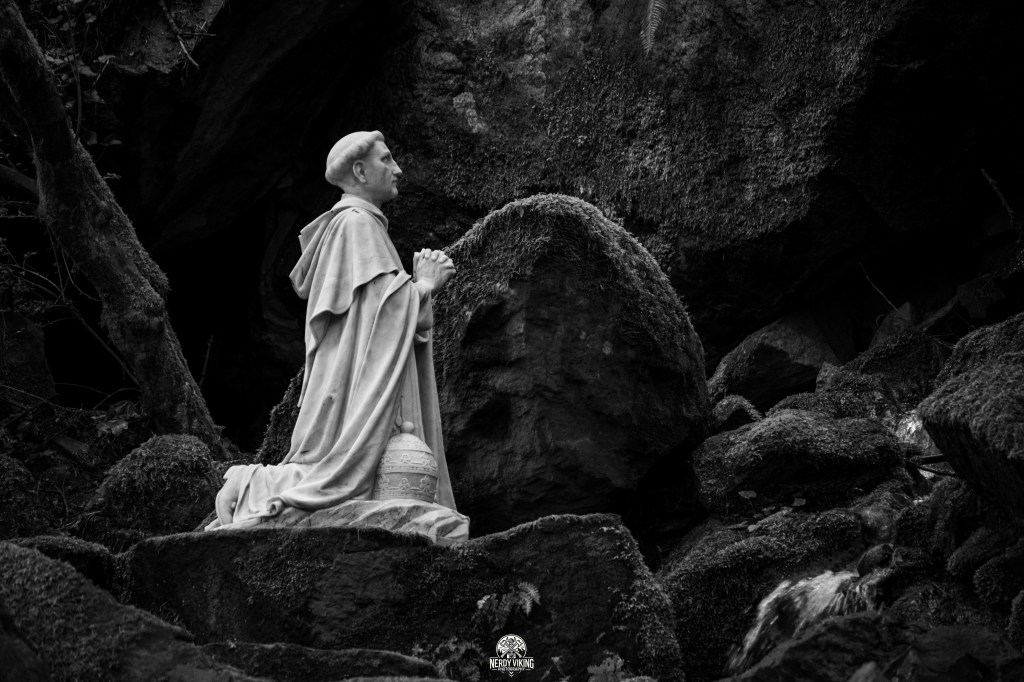
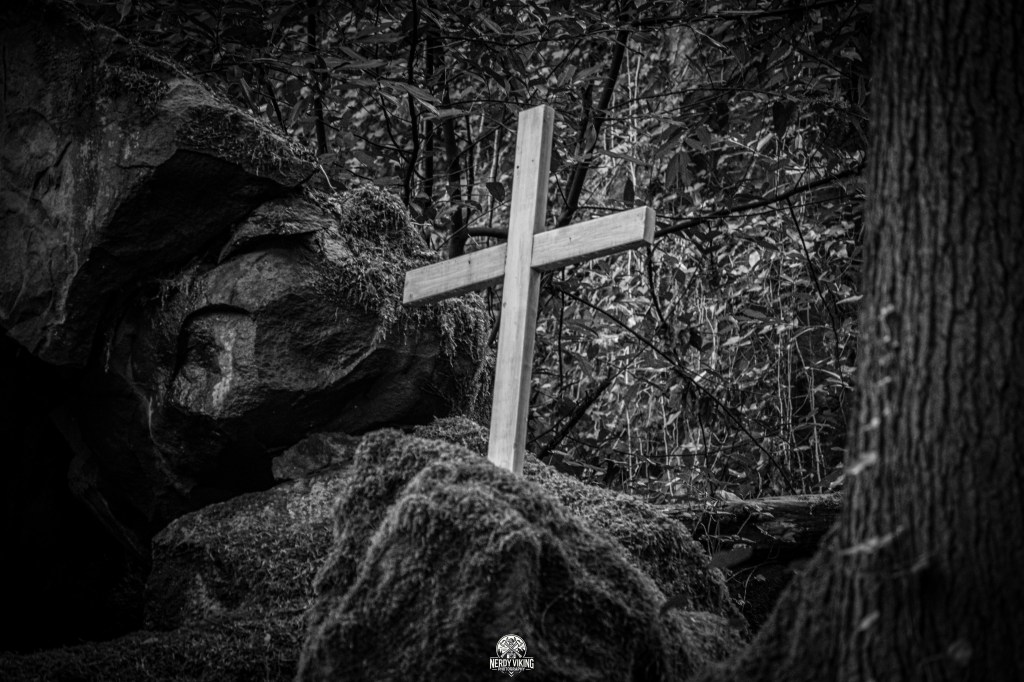
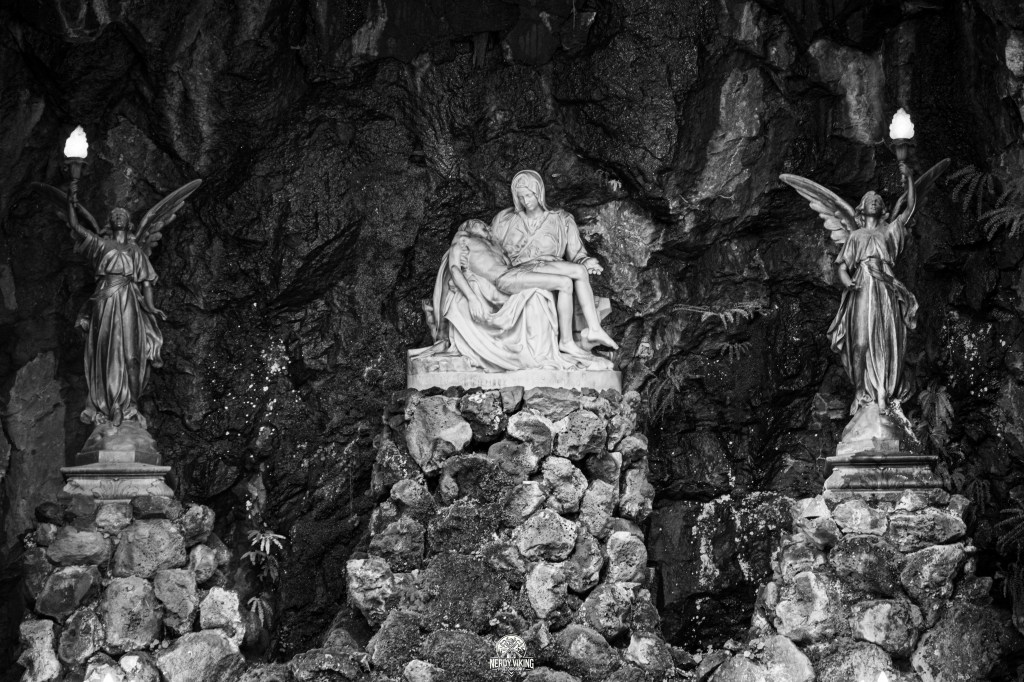
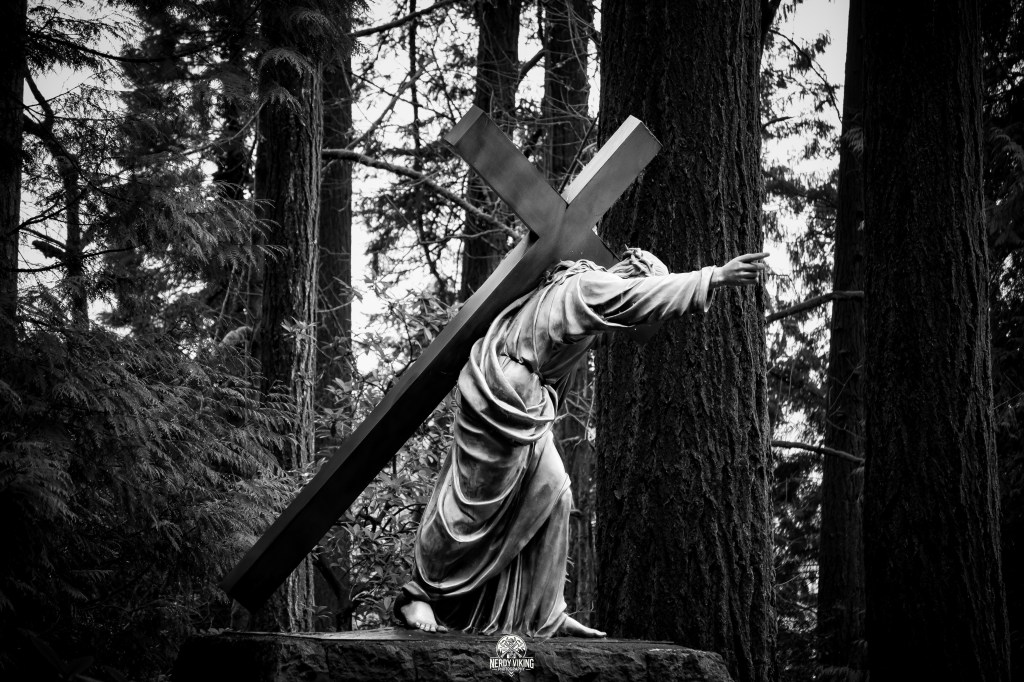
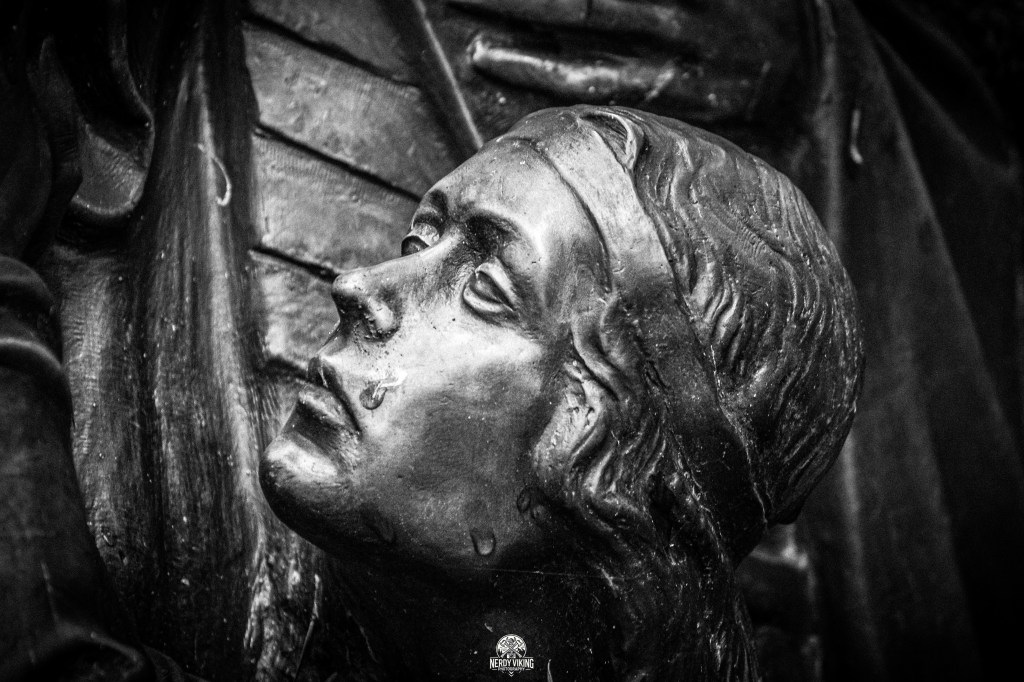
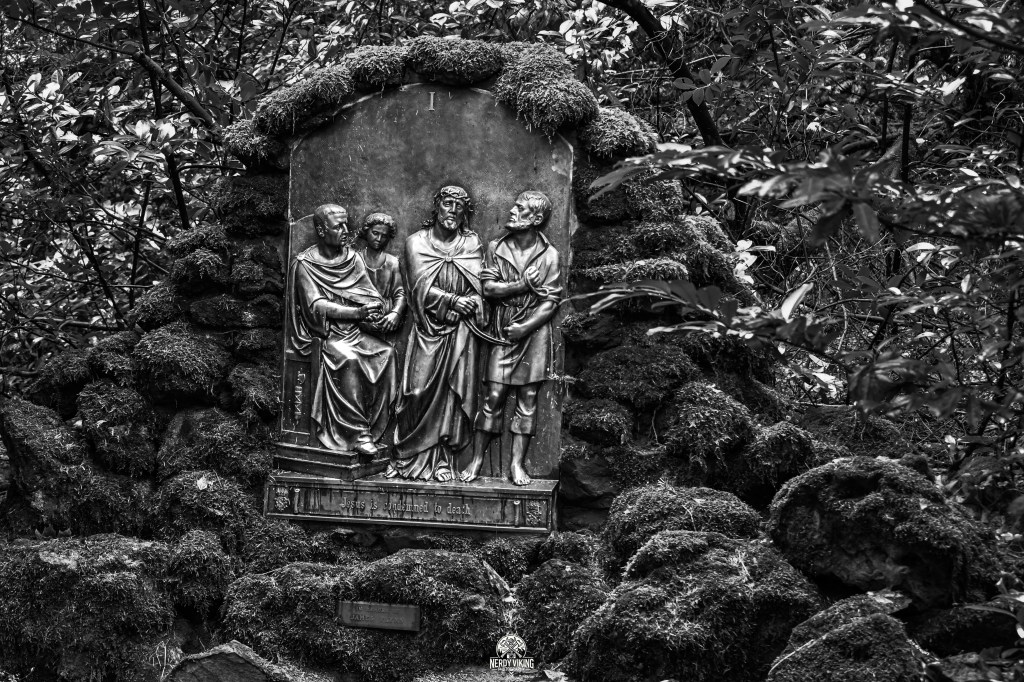
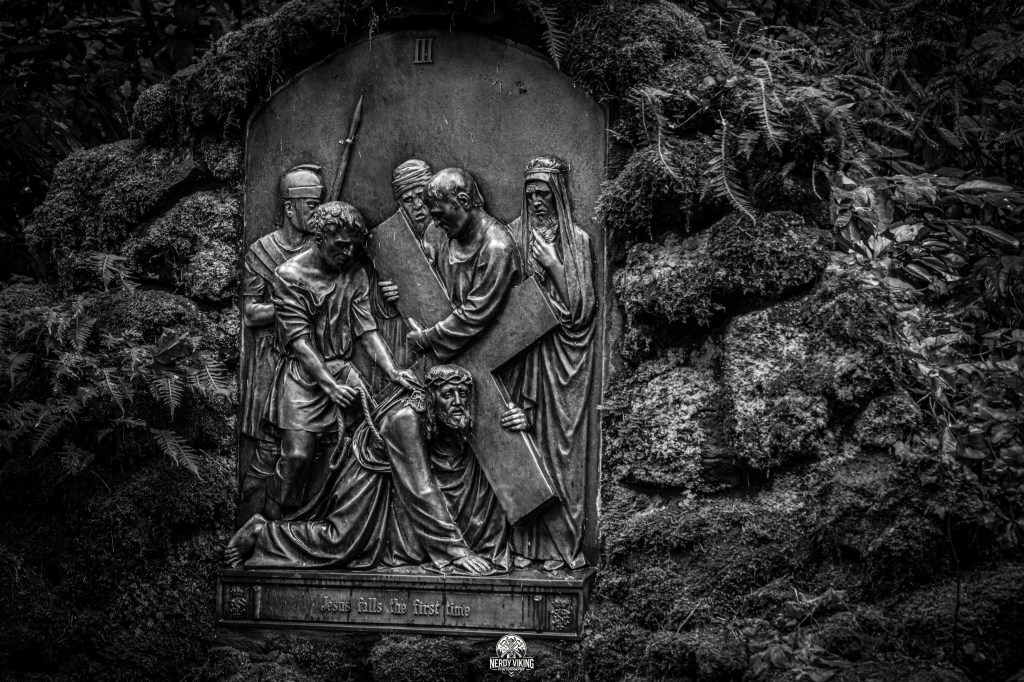
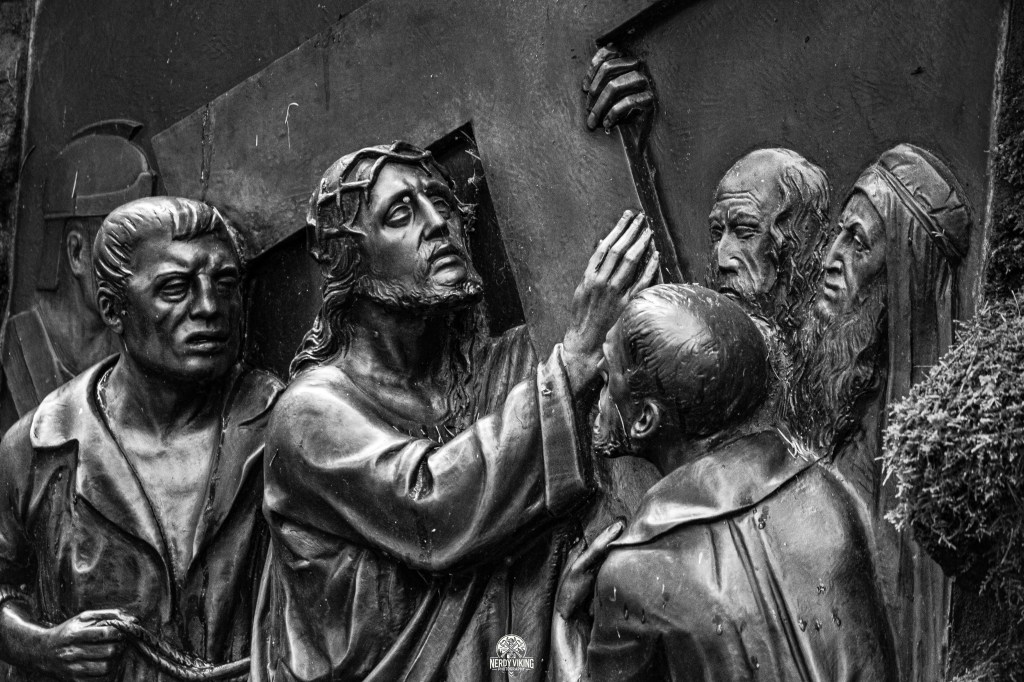
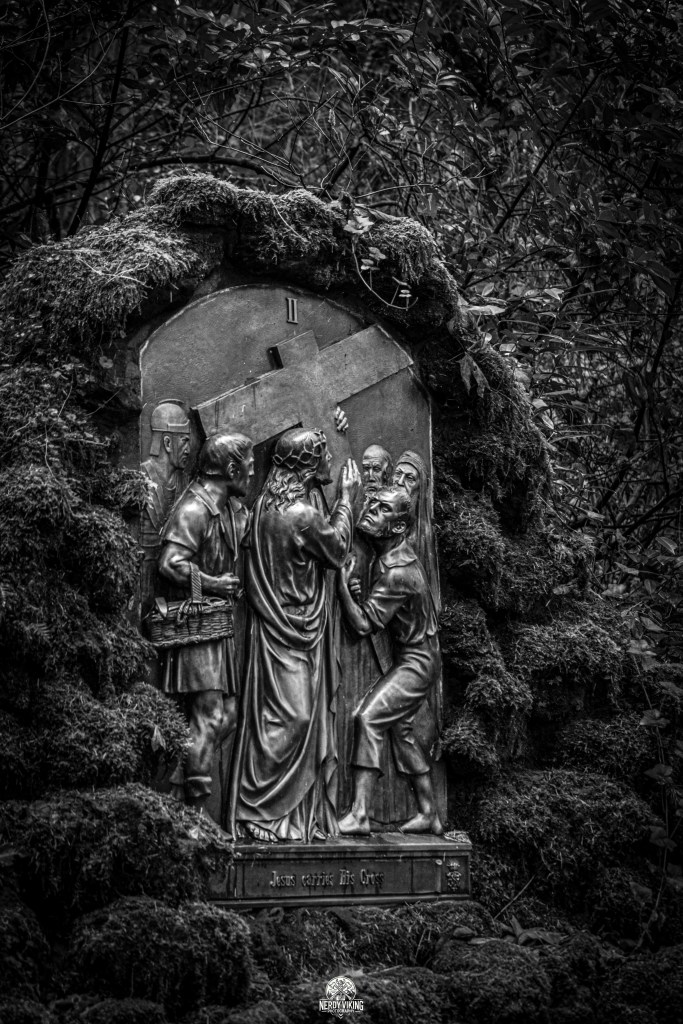
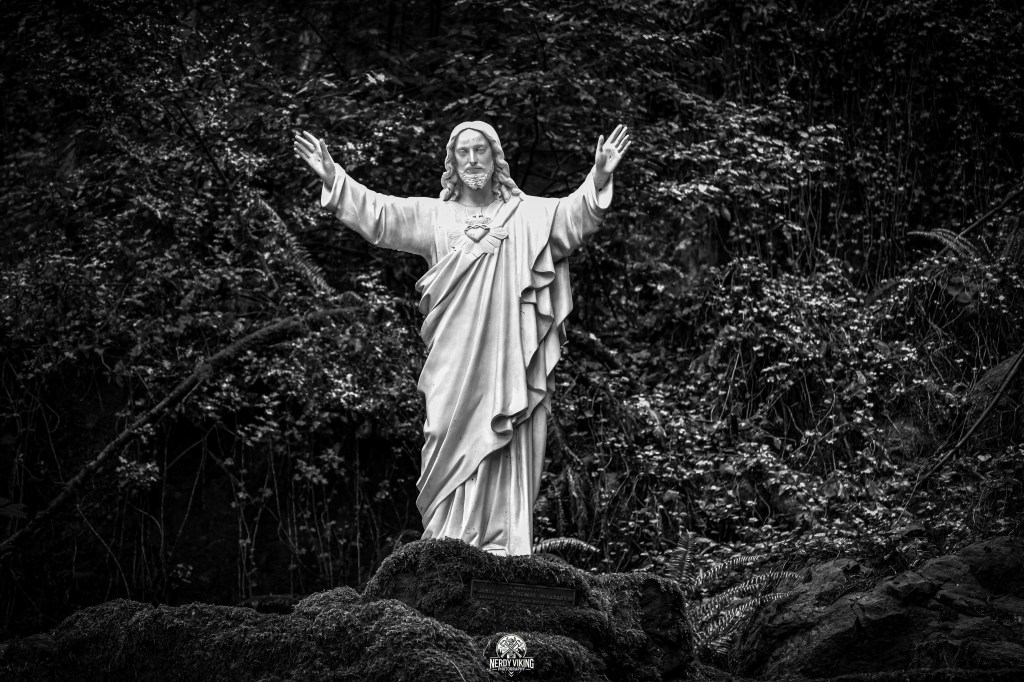
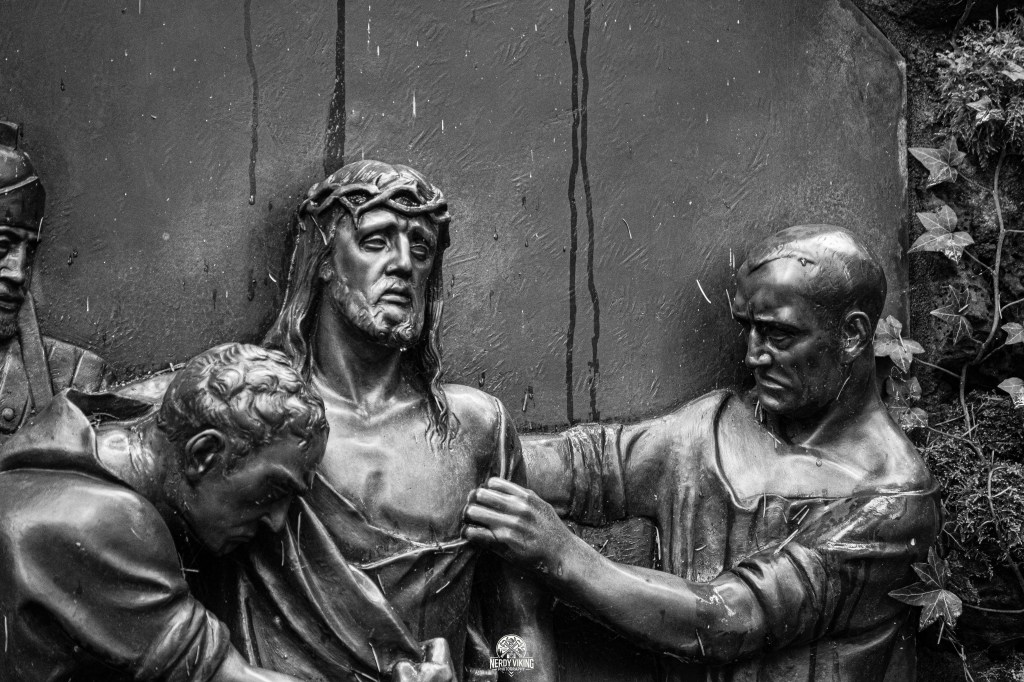
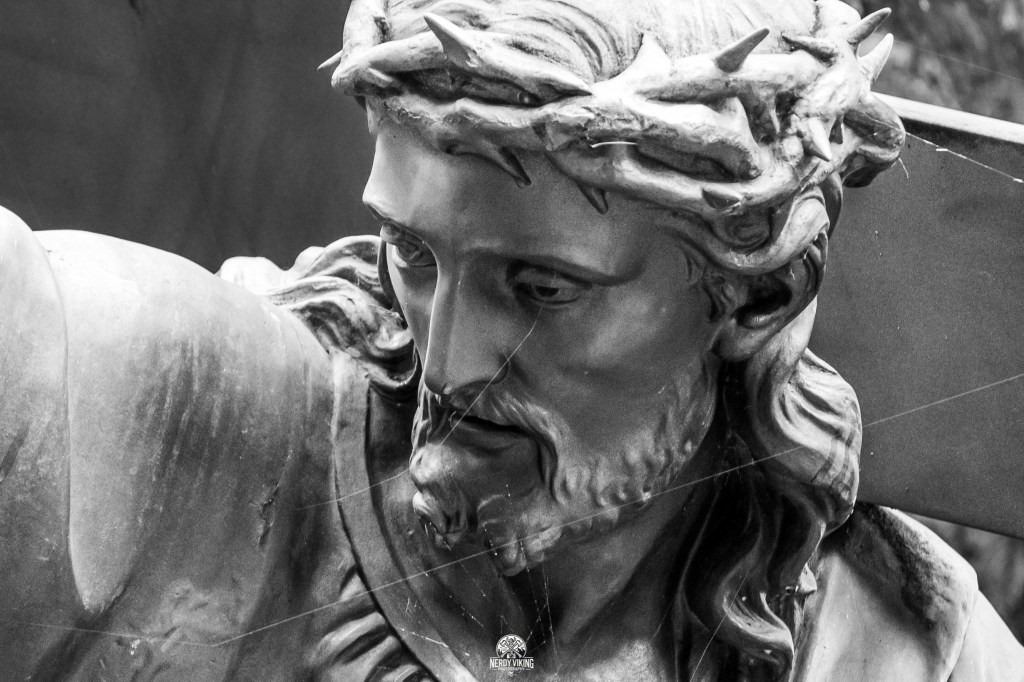
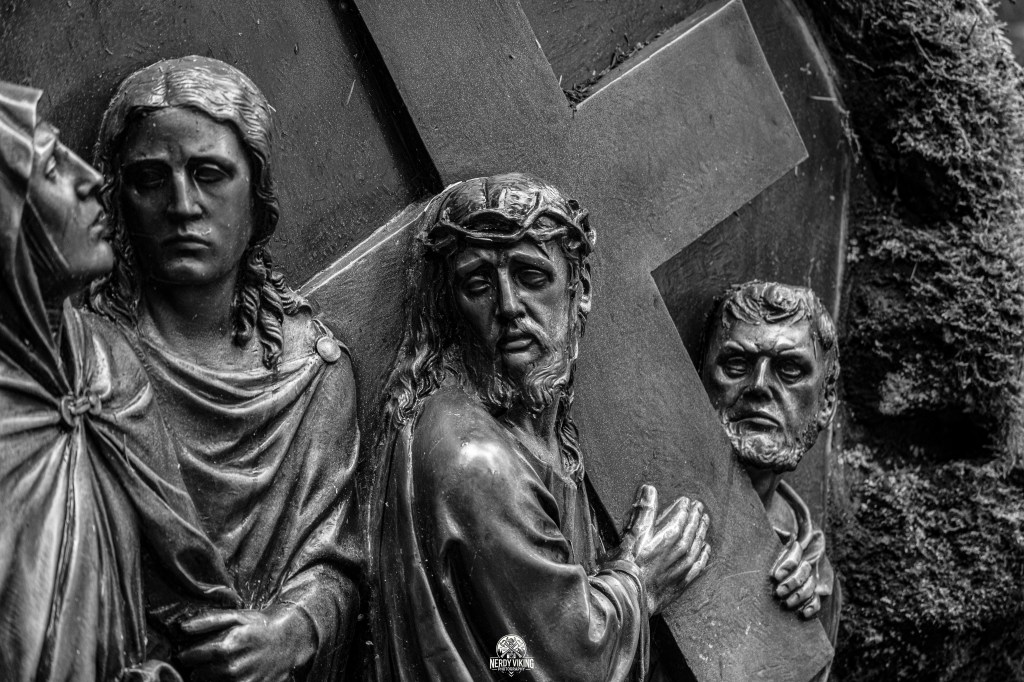
I wandered through statues of grief and hope, mothers holding sons, saints staring skyward, angels frozen in permanent mid-flight. Everywhere you look: human beings trying desperately to make sense of existence with stone tools and faith and a hammer the size of destiny.
And here I am—camera in hand, boots muddy, brain full of Norse gods and forest spirits—quietly appreciating it all like some kind of cultural double agent.
Because belief is strange territory. But history? Craftsmanship? Effort? Those are universal languages.
The irony is that the place didn’t feel holy in the way churches are supposed to feel holy. It felt… calm. Like a park built by people who were trying very hard to talk to the sky and accidentally made a beautiful place on Earth instead.
I left with memory cards full of statues and silence, and the unsettling realization that sometimes you can feel like a pilgrim in an unholy land—and still walk away grateful for the journey.


 Nerdy Viking Photography
Leave a comment