After the paranoia of Antelope and the lingering cult shadows of Rajneeshpuram, the road uncoiled and spit us into the ancient artery of the John Day River, a wild, winding scar through Oregon’s high desert. The water here doesn’t trickle politely through farmland; it carves. It gnaws. It wears down the earth grain by grain until entire eras collapse into dust.
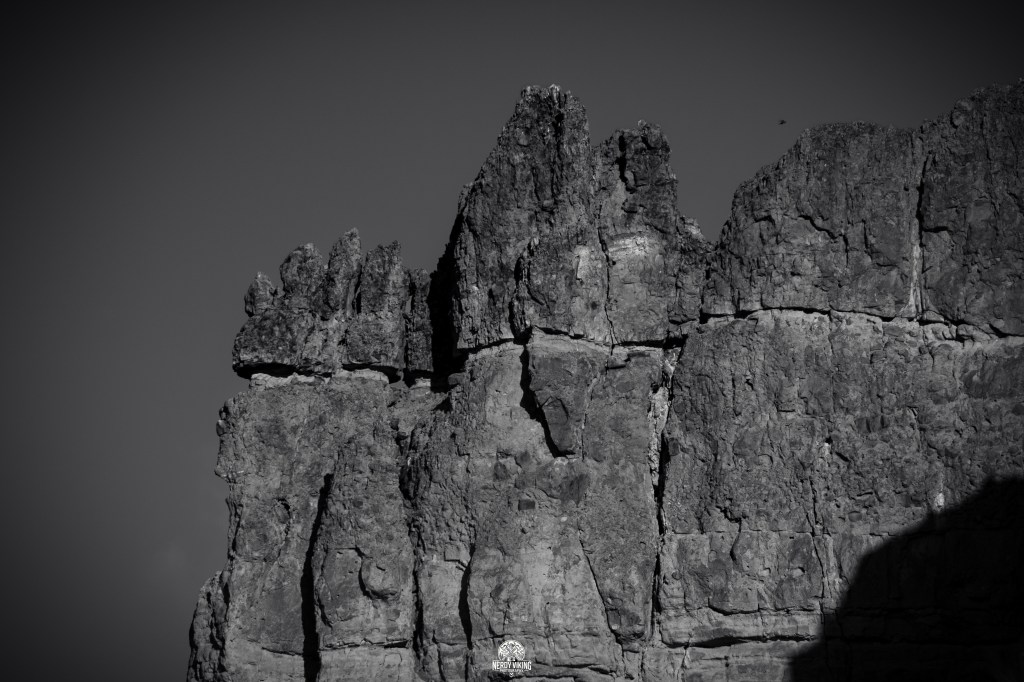
Driving alongside it, you can feel time moving differently. The cliffs rise like broken teeth, jagged layers of red, green, and yellow stacked in impossible formations. Each band of color is a page in the earth’s diary, and the John Day Fossil Beds are the footnotes, three separate units where millions of years are laid bare. You don’t just visit this place; you trespass across epochs.
We stopped and wandered through the Fossil Beds, cameras slung like weapons, trying to catch the immensity of it all. You could stand in one spot and point to a ridge where creatures older than imagination once walked, saber-toothed cats, tiny horses, rhinos the size of trucks. Their bones are still here, turned to stone, waiting for some poor bastard to dig them up and wonder what it all means.
The desert heat beat down like a punishment, but the land demanded it. The silence wasn’t hostile like Antelope’s; it was indifferent. You’re just a speck here, another animal passing through, destined to be forgotten. And strangely, that was comforting. The madness of cults, the ghosts of graveyards, the noise of cities, none of it mattered against thirty million years of stone.
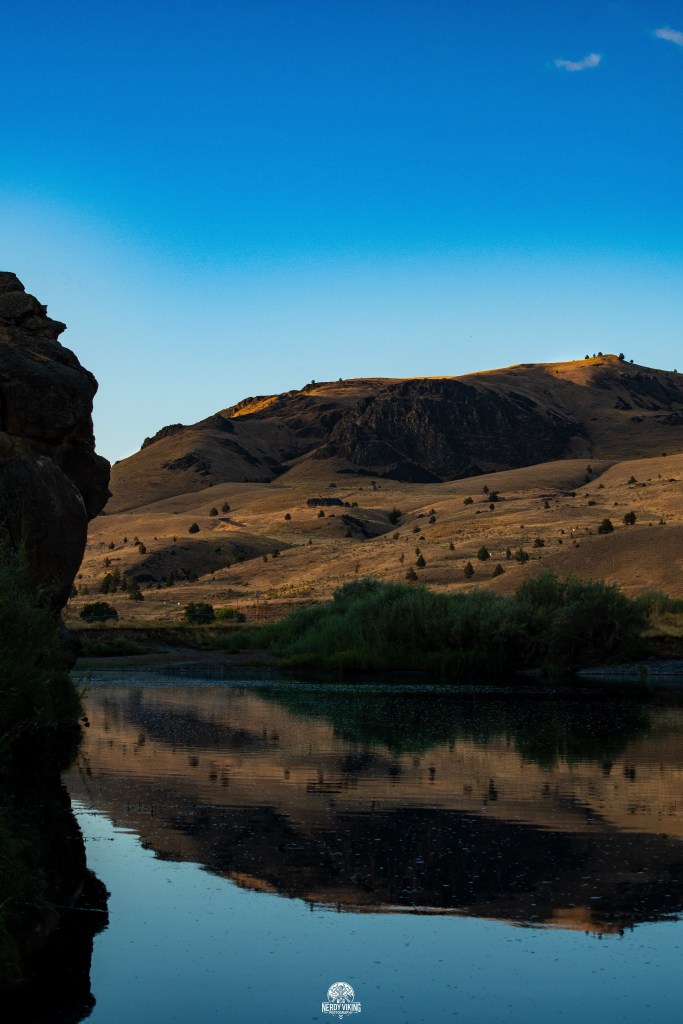
We found ourselves tracing the ridge-lines, watching the river coil below. The John Day is brown and restless, carrying the silt of ages downstream. You stand close enough, you can hear it chewing, reshaping the land grain by grain. Give it another few million years and it’ll eat the whole damn valley alive.

There’s a heaviness to fossil country, but not the suffocating dread of Antelope. This weight is different, it’s the realization that you’re walking on the corpses of worlds that didn’t survive. And one day, we’ll be part of that same story. Bones in the dirt. Fossils in the making.
By the time we pulled out of the valley, the sun was low and the cliffs burned red. The river kept on grinding, the rocks kept on whispering, and the fossils stayed where they’ve always been, waiting.
The John Day doesn’t haunt you. It humbles you.




 Nerdy Viking Photography
Leave a comment