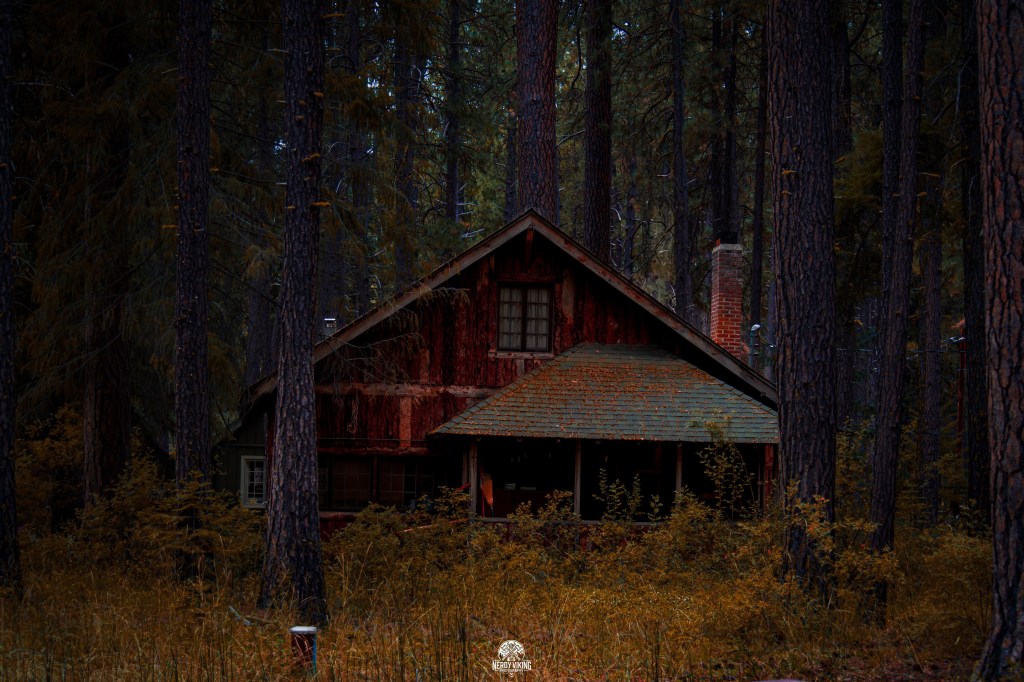
The Pacific Northwest has a way of pulling you into its teeth , jagged ridges, haunted towns, painted deserts that look like God took too much mescaline and smeared the earth with his fingers. Our last adventure wasn’t just a road trip; it was a plunge into the strange underbelly of Oregon, where the forests give way to deserts, rivers twist through fossils, and the towns feel like they’re waiting for the end of the world.
We started at Sherman Campground, the gateway to the madness, with the Metolius River whispering its secrets through the trees. The Head of the Metolius is where water bursts from the earth like it’s been waiting for centuries to escape, icy and relentless. From there, we hit Sisters, a quaint facade of a town that tries to look like the Old West but feels more like a tourist trap with lattes. Civilization was already starting to grate on my nerves, so we bolted.
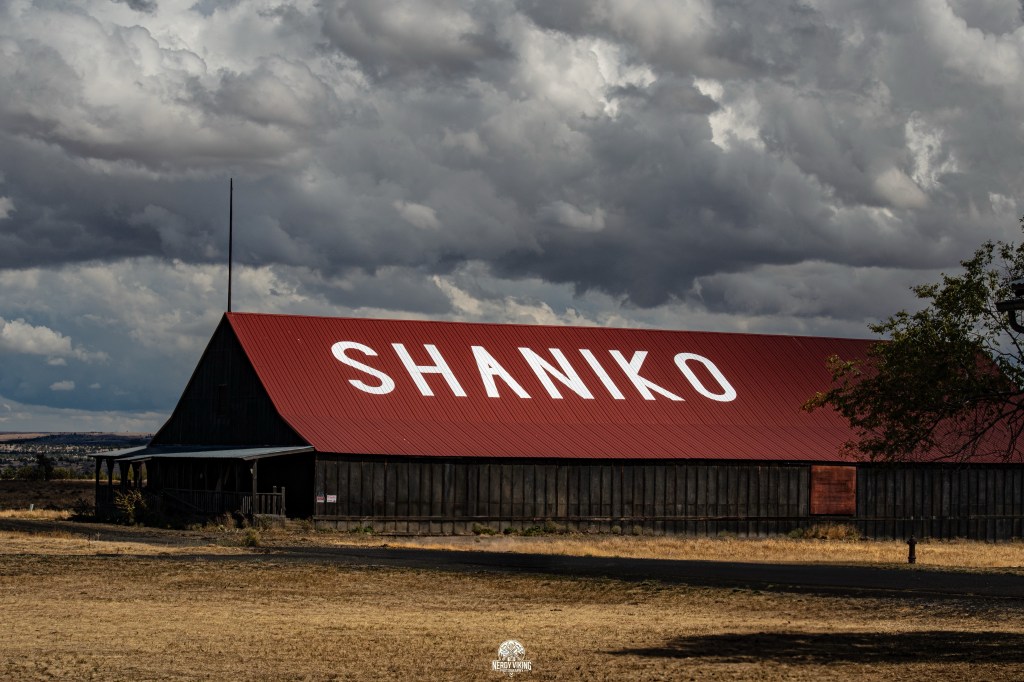
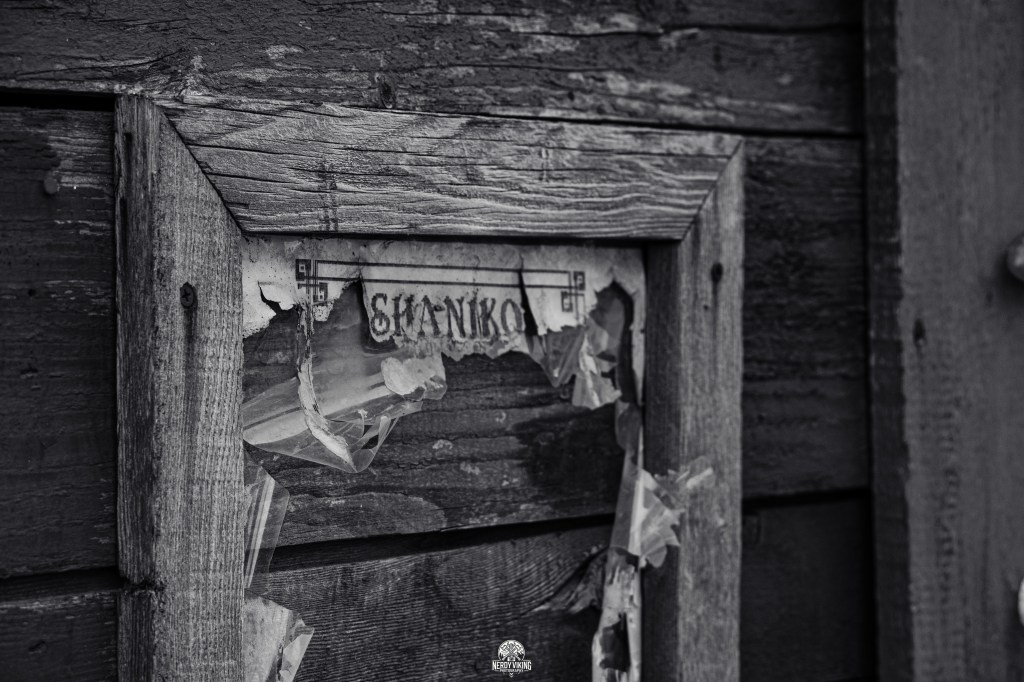
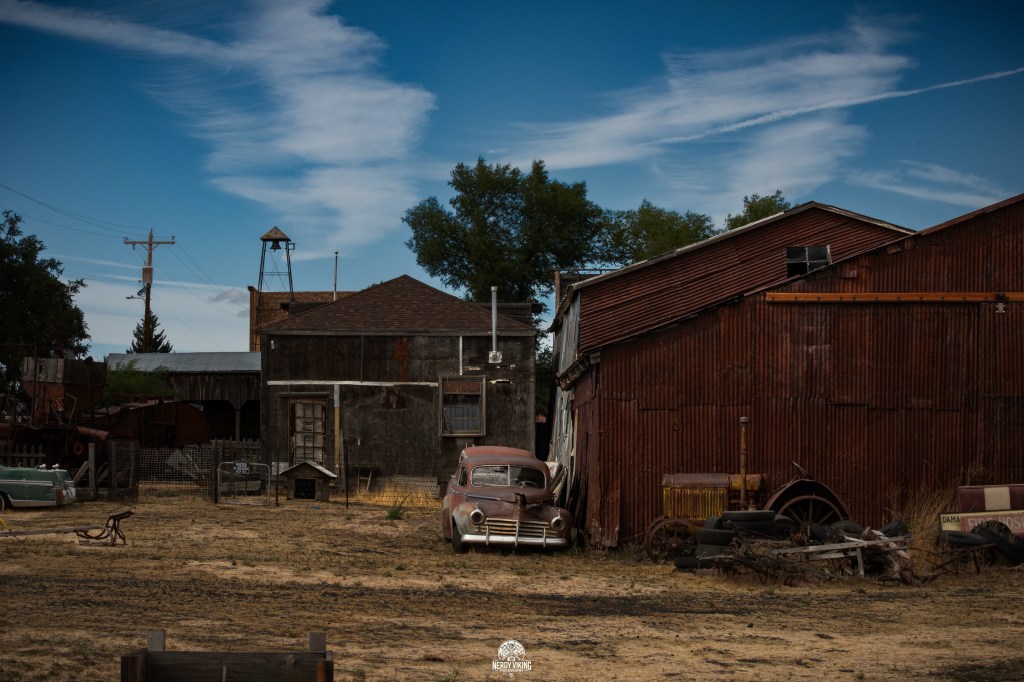
Cline Falls was next, a place where the water thunders like it’s trying to shake the land apart. The sun blasted down, and I could feel the madness creeping in. Every stop along this road felt like a doorway to another dimension, and soon we found ourselves rolling into Shaniko, a ghost town preserved in amber. Shaniko is quiet, eerie, but almost playful in its decay. Old hotels, cracked barns, and the kind of silence that hums in your bones. But there was no dread here, just a strange fascination, like standing in the skeleton of history.
Then came Antelope. Christ almighty, what a place. We decided to stay the night, and instantly it felt wrong. The town was still as death, no sound, no movement, like someone had drained the life out of it years ago. We saw only two people the entire time, both moving like shadows. The silence pressed in on us until it was unbearable, and when night fell, I could’ve sworn the air itself was holding its breath.
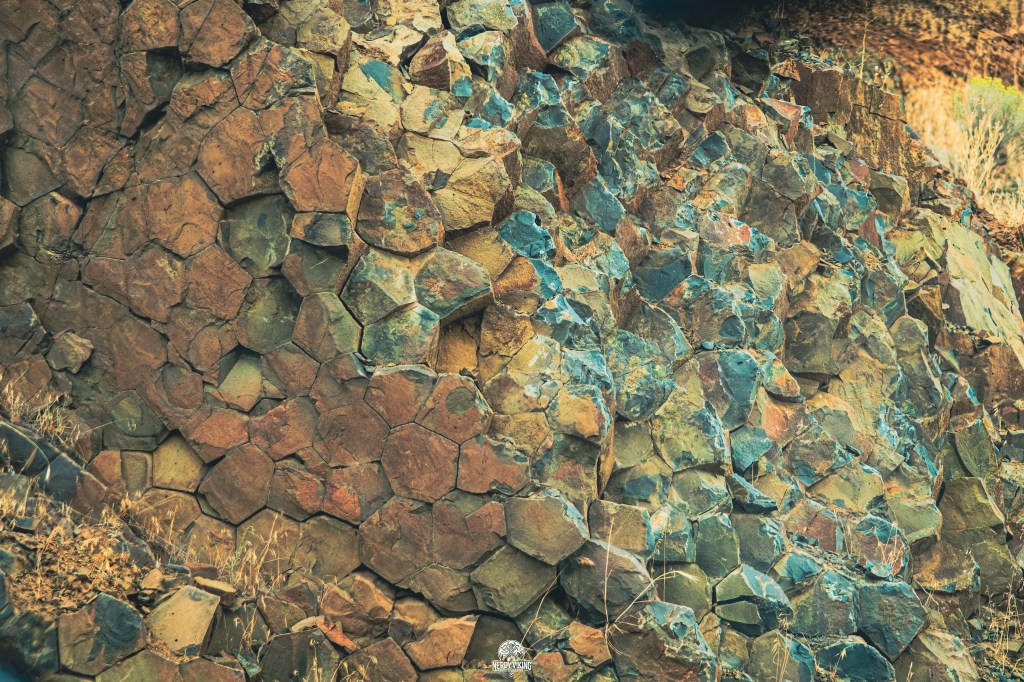







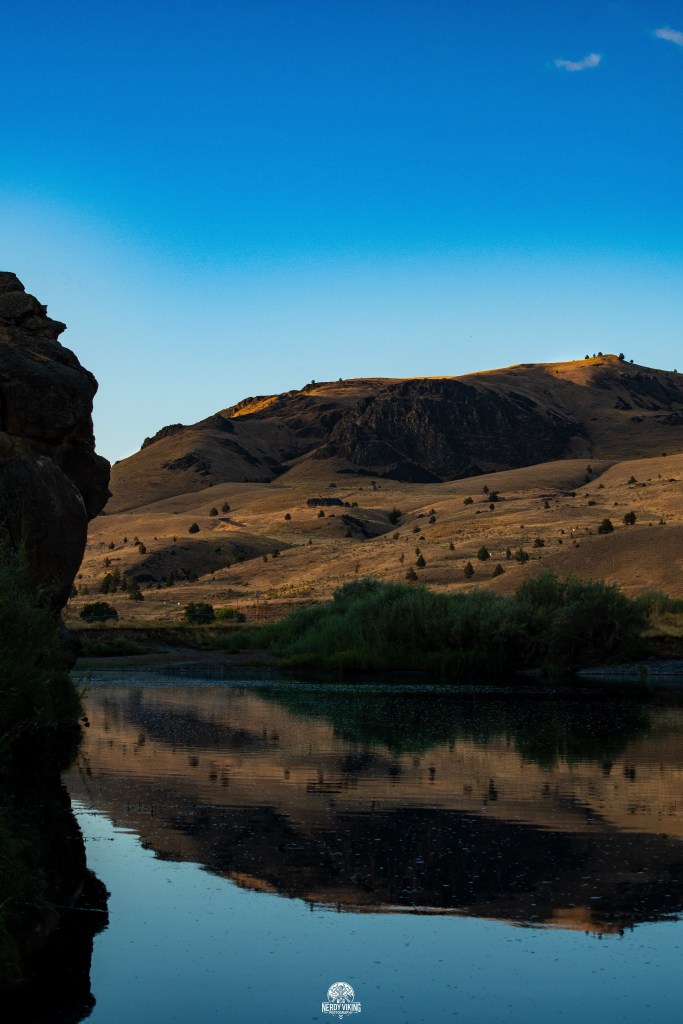

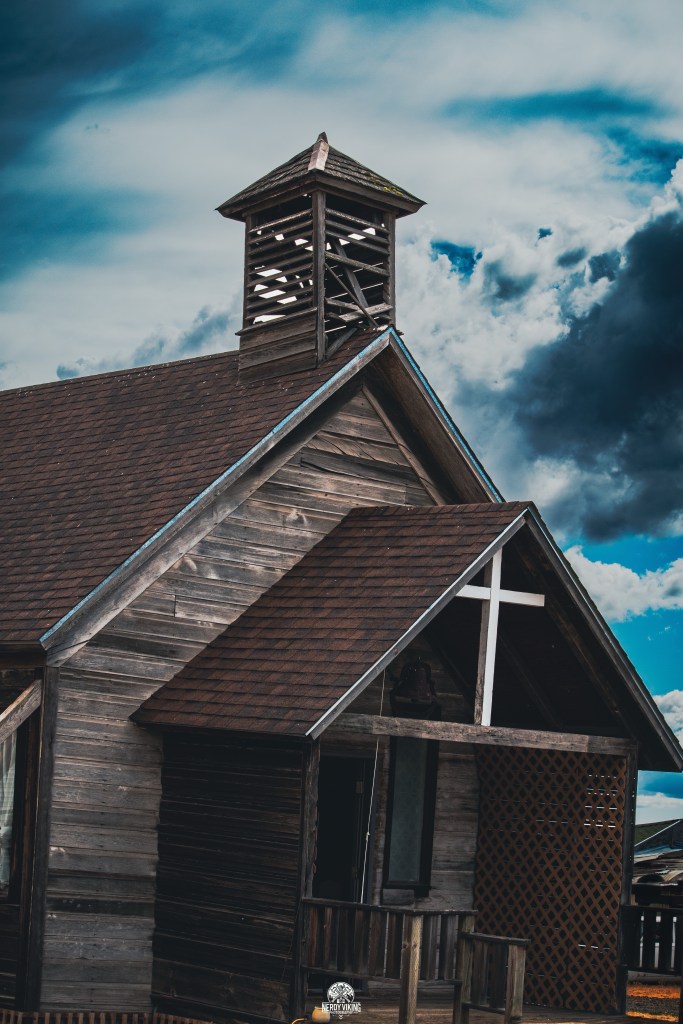

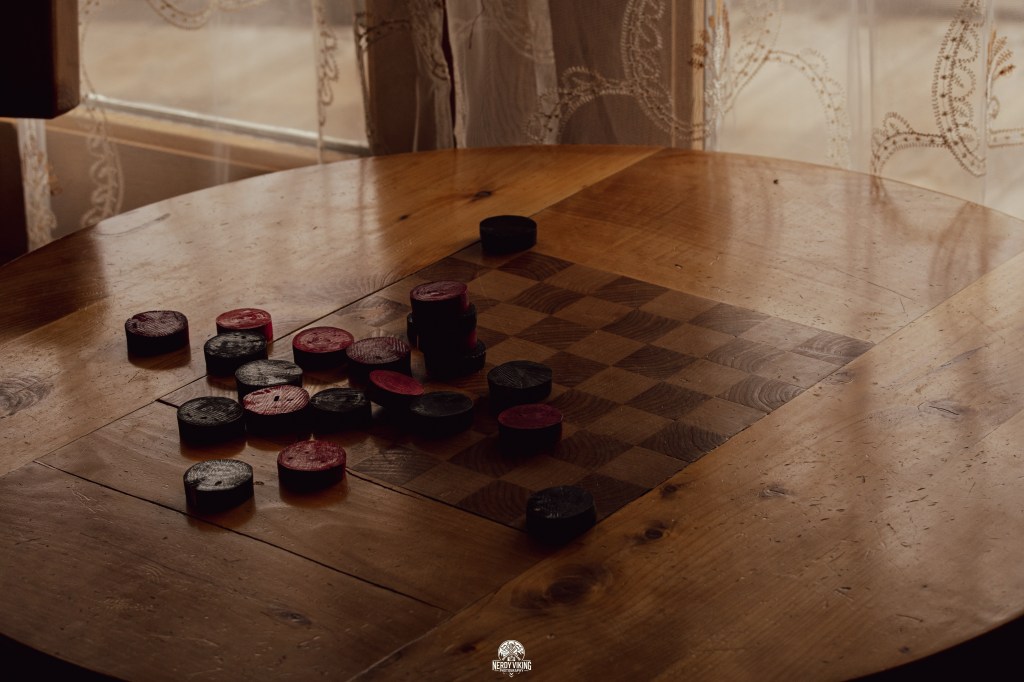


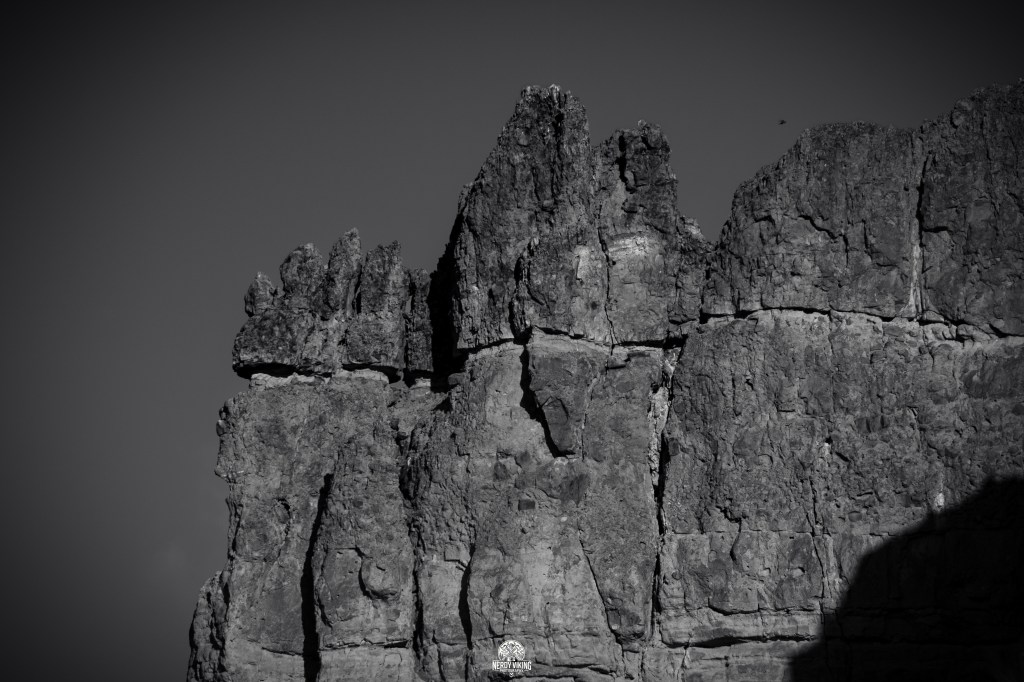


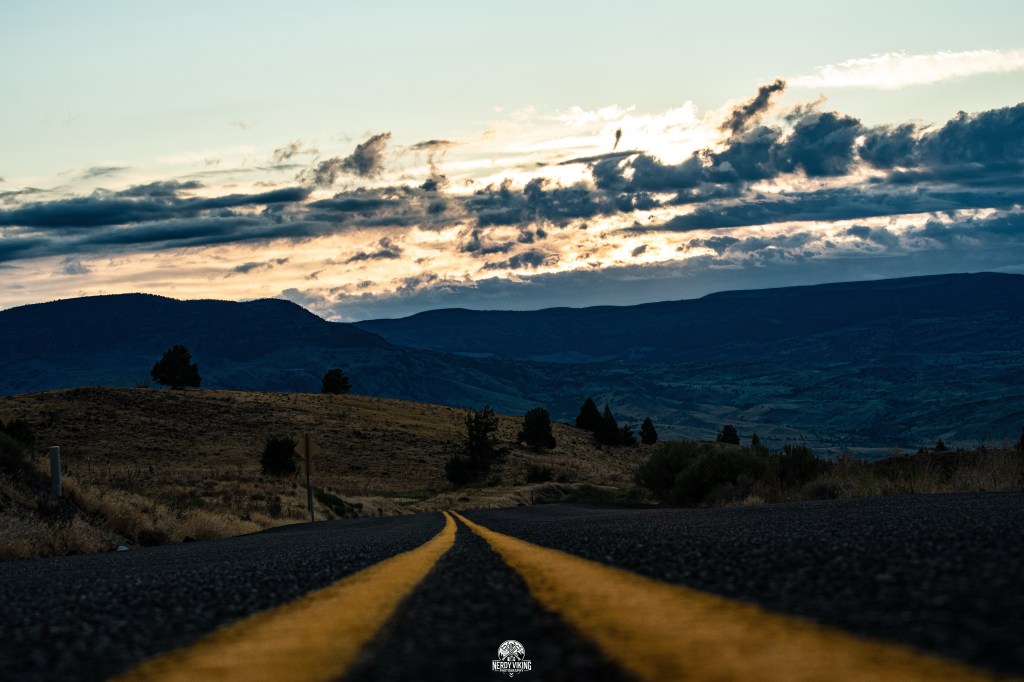


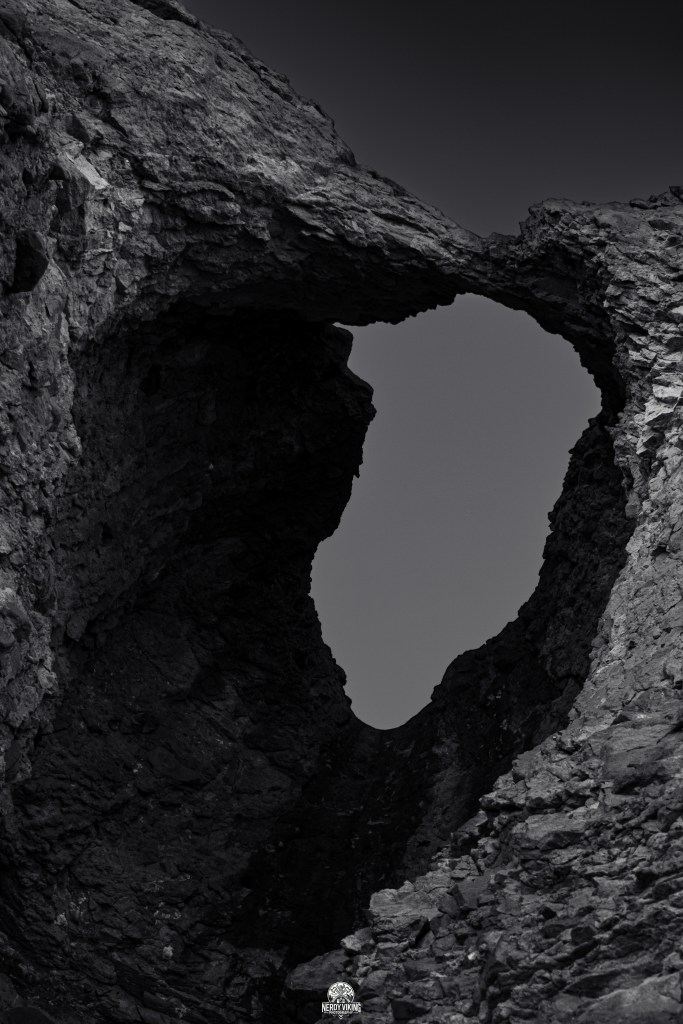


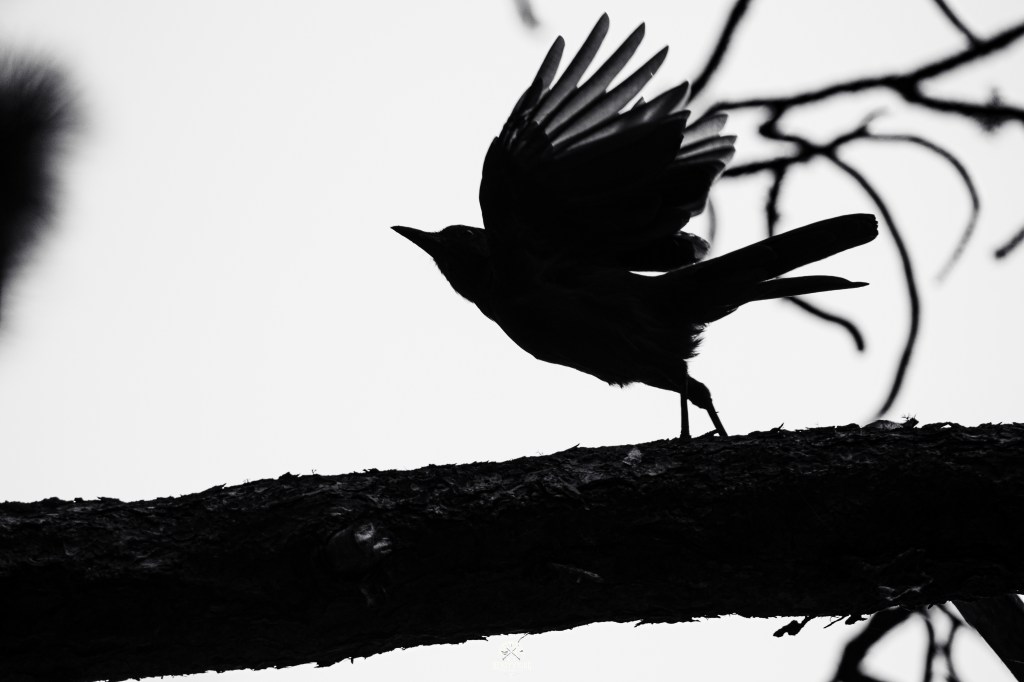


The road out of Antelope led us to the legendary specter of Rajneeshpuram, once a cult empire of Rolls Royces and red-clad zealots. We followed what we thought was the way, only to dead-end into a ranch. That’s when two ranchers rolled up, suspicious as hell but talkative enough to spill the real horror: cattle mutilations. Ten head gone in two years. Bones broken, corpses twisted into positions no predator could manage. They muttered about “cult-like behavior” lingering in the hills, and suddenly the landscape around us felt radioactive with paranoia.
History lesson over, we drifted onward and stumbled into an old graveyard, the stones worn, names fading, dates etched in the 1800s. Children. Far too many children. The weight of it sat heavy on me, an invisible hand pressing down. Curiosity curdled into sorrow, and sorrow into the need to escape. Antelope had drained my spirit; it felt like the town itself was chewing at the edges of sanity.

By contrast, the rest of the journey was wild, strange, and beautiful. We wound along the John Day River, its waters carving deep scars into the land. The John Day Fossil Beds stretched out like a museum of the earth’s forgotten creatures, bones turned to stone under a burning sky. We hit Fossil and Mitchell, each one clinging stubbornly to life in the shadow of time.
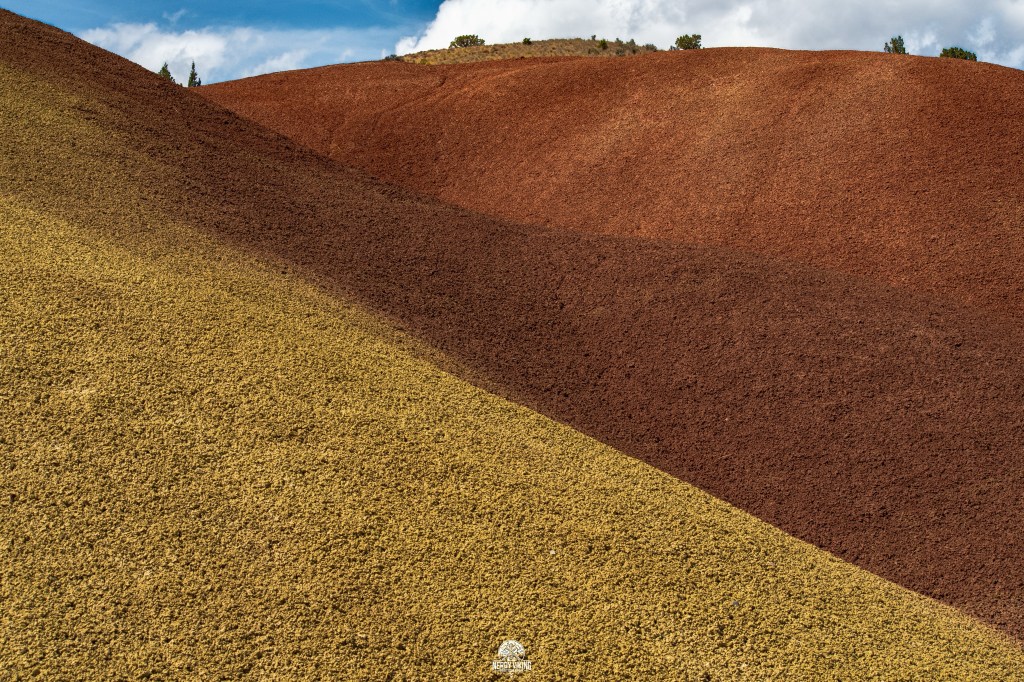
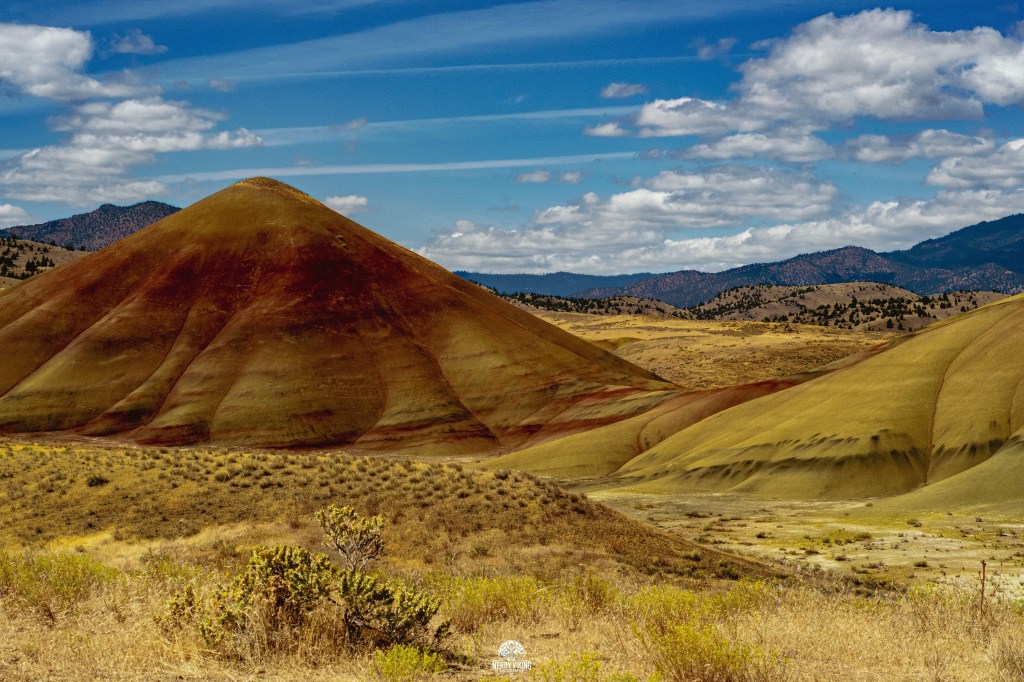
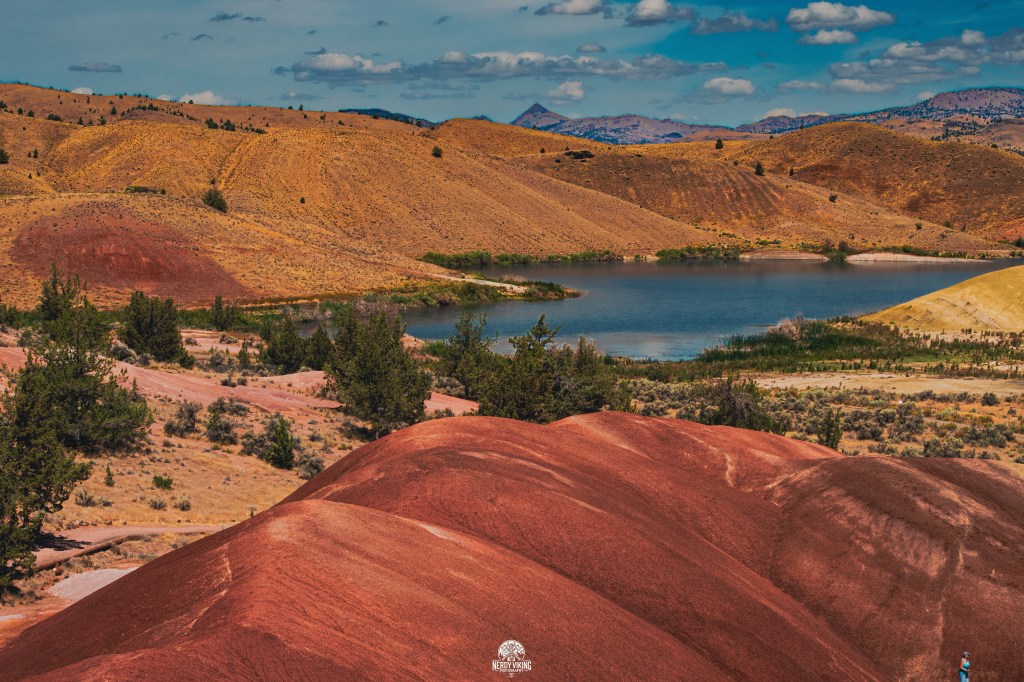
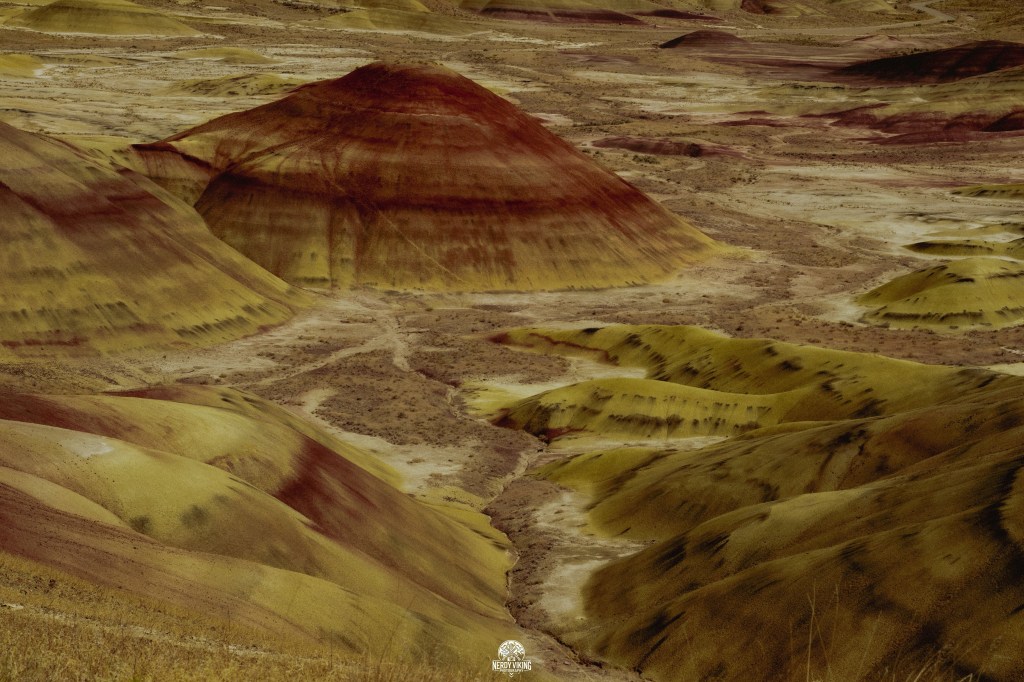
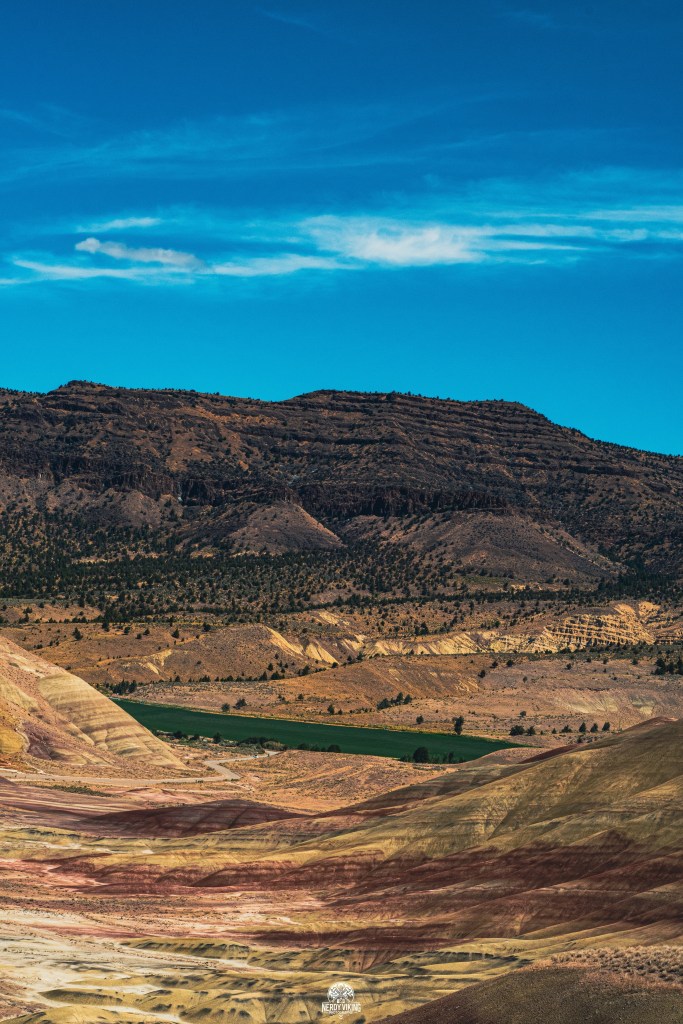
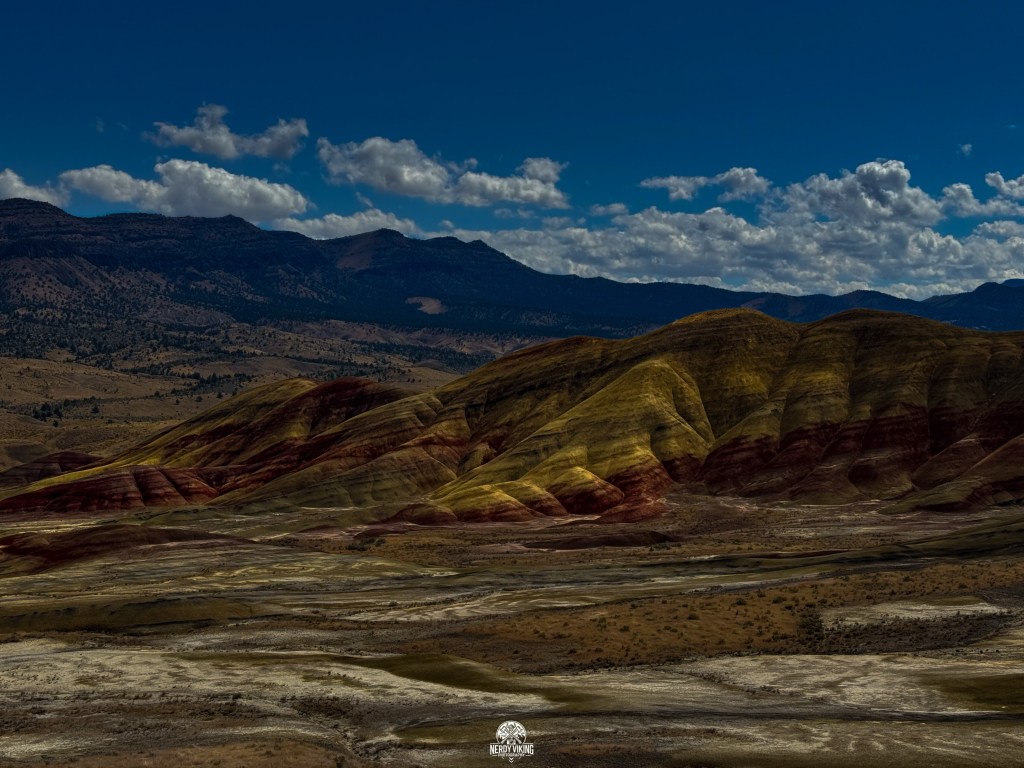
And then the Painted Hills. My god. Alien terrain. Blood-red stripes slashed across golden earth, green shadows blending into rust and ochre. Walking among them felt like trespassing in a dream a hallucinatory desert where the colors screamed at you louder than the silence of Antelope ever could. We roamed into Painted Hills Cove, where the boardwalk wound through slopes like waves of Martian soil. It was beautiful, terrible, overwhelming.
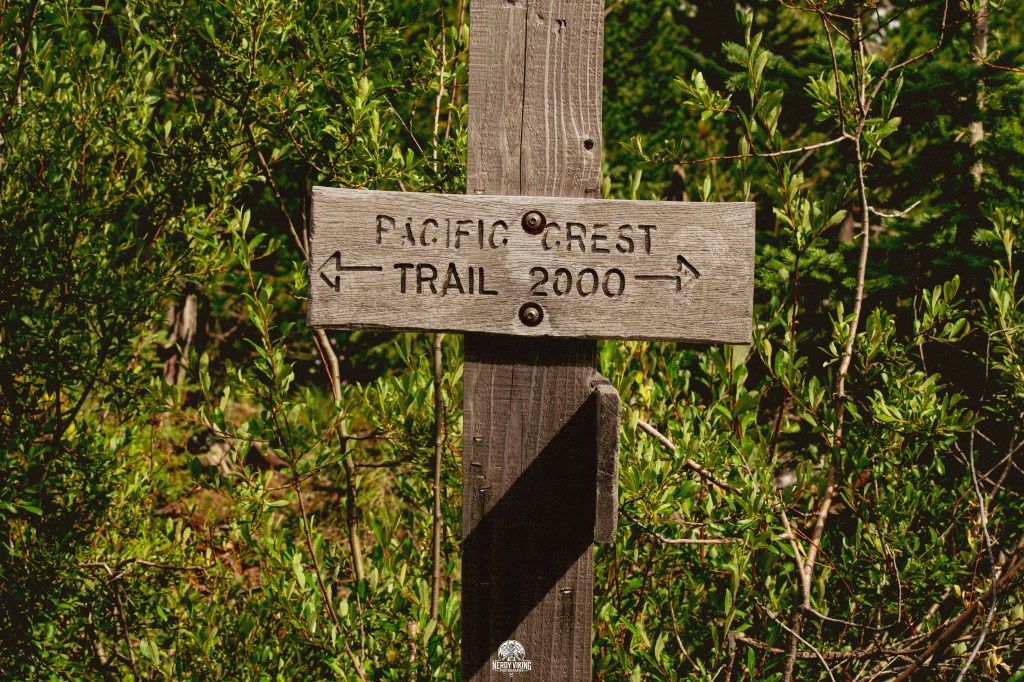
The road eventually spat us out at Santiam Pass, brushing shoulders with the Pacific Crest Trail, that long artery of dirt connecting Mexico to Canada. Standing there, watching clouds muscle their way over the ridges, it felt like the whole journey had been some fevered sermon about time, death, and wilderness.
In the end, this wasn’t just a trip. It was a confrontation with the absurd, ghost towns filled with echoes, cult ruins haunted by mutilated cattle, graveyards where the children never grew up, and landscapes painted by a god on drugs. Shaniko had its ghosts, but Antelope had something worse, the living presence of dread.
We left with photographs, memories, and the strange conviction that Oregon is more feral than people realize. Out there, the silence isn’t empty… It’s waiting.


 Nerdy Viking Photography
Leave a comment