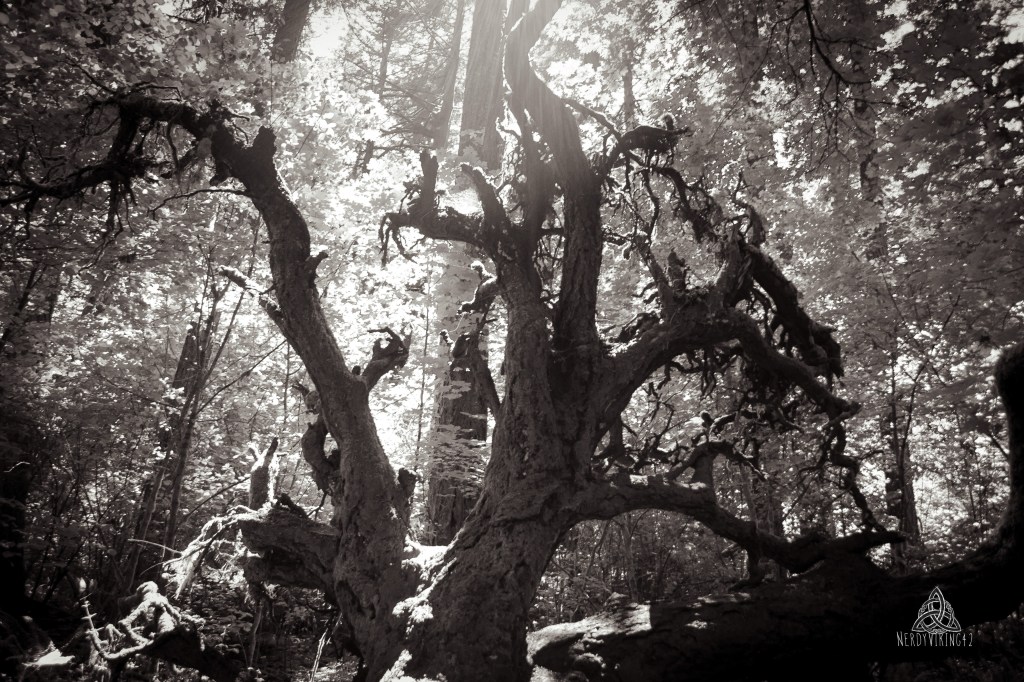
Odin, the Allfather, stands as one of the most complex and revered figures in Norse mythology. As the chief of the Aesir gods, Odin embodies wisdom, war, death, and poetry, weaving a rich tapestry of stories that have fascinated people for centuries. His multifaceted nature and profound influence on both myth and modern culture make him a captivating subject for exploration.
Origins and Attributes
Odin, often depicted as a one-eyed, long-bearded deity, reigns from his majestic hall, Valhalla, in Asgard. According to myth, he sacrificed one of his eyes at Mimir’s well to gain unparalleled wisdom. This self-sacrifice underscores Odin’s relentless quest for knowledge and his role as a seeker of truths beyond the mortal realm.
Symbols and Companions
Odin’s symbols include the spear Gungnir, which never misses its mark, and the ravens Huginn (thought) and Muninn (memory), who fly across the world to bring him information. His eight-legged horse, Sleipnir, is considered the best of all horses and symbolizes Odin’s ability to traverse different worlds, including the land of the dead.
Roles and Responsibilities
God of Wisdom and Knowledge
Odin’s pursuit of wisdom is one of his most defining characteristics. Beyond sacrificing his eye, he also hung himself from the World Tree, Yggdrasil, for nine days and nights, pierced by his own spear, to discover the runes—mystical symbols that hold immense power and knowledge. This act of self-sacrifice granted him profound insights and magical abilities.
God of War and Death
As a war god, Odin plays a crucial role in battles and the fate of warriors. He selects half of the fallen warriors to reside in Valhalla, where they prepare for Ragnarok, the end of the world. These warriors, known as the Einherjar, are celebrated and honored, anticipating the ultimate battle alongside Odin.
Patron of Poets
Odin is also the god of poetry and inspiration. He is credited with discovering the mead of poetry, which grants the gift of eloquence and creativity. This aspect of Odin highlights his deep connection to art, culture, and the expression of human experience.
Odin in Mythology
The Creation of the World
In Norse creation myths, Odin, along with his brothers Vili and Ve, created the world from the body of the primordial giant Ymir. They fashioned the earth from his flesh, the oceans from his blood, and the sky from his skull. This act of creation set the stage for the intricate and dynamic cosmos of Norse mythology.
The Ragnorok Prophecy
Odin’s fate is intricately tied to Ragnarok, the prophesied apocalypse where many gods, including Odin, meet their end. He is fated to be devoured by the monstrous wolf Fenrir. Despite his foreknowledge of this grim destiny, Odin prepares for the battle with unwavering determination, embodying the Norse ethos of courage in the face of inevitable doom.
Odin’s Legacy
Odin’s influence extends beyond ancient myths into modern culture. He has inspired countless works of literature, art, and popular media. Characters based on or inspired by Odin appear in books, movies, and TV shows, from Neil Gaiman’s “American Gods” to Marvel’s “Thor” franchise. His enduring presence in contemporary culture underscores the timeless appeal of his character and the rich mythology he represents.
Conclusion
Odin, the Allfather, remains a towering figure in the pantheon of Norse gods. His quest for wisdom, mastery of war and poetry, and pivotal role in mythology make him a figure of immense complexity and intrigue. As we explore his stories and attributes, we gain not only a deeper understanding of Norse mythology but also a reflection on the timeless human quest for knowledge, meaning, and transcendence.
Whether viewed as a wise leader, a fierce warrior, or a poetic muse, Odin’s legacy continues to resonate, reminding us of the enduring power of myth and the profound truths it can reveal.


 Nerdy Viking Photography
Leave a comment